Leave Your Message

Blog

What Is the Best Tabletop Can Sealer from China?

What Is the Best Tabletop Can Sealer from China?

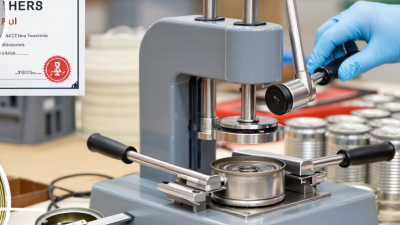
Picking the best Tabletop Can Sealer from China isn’t just about price tags or pretty product photos. What really matters is how well the sealer fits your actual production setup—things like can diameter, lid material, filling temperature, and how many cans you need to get through in a day. Grand View Research put the global metal cans market at roughly USD 65.87 billion in 2023, and it’s expected to keep growing through 2030. As that demand grows, so does the need for compact, reliable sealing equipment in food, beverage, and specialty packaging. A practical way to start evaluating? Look at sealing consistency. Check double-seam quality, pressure control, how precise the adjustments are, and how long changeovers take. A solid tabletop model should be able to seal sample cans over and over without wrinkles, leaks, or lids getting badly deformed. Ask for evidence—test videos, seam-analysis records, food-contact material declarations, electrical safety docs, and warranty terms that are actually clear. PMMI research also points to automation, labor efficiency, and equipment reliability as big packaging priorities. And honestly, those things matter even for small workshops. The “best” Chinese supplier isn’t automatically the cheapest one. It’s the manufacturer that can show stable results after installation. Companies like Jiujiang Yongxin Can Equipment Co., Ltd. and other established Chinese manufacturers may differ in customization, service, and quality control. Still, buyers should double-check every claim on their own. A lower quote can sometimes hide maintenance headaches. That part deserves real attention. This guide looks at machine structure, sealing results, ease of operation, certification support, and after-sales response. It also faces an uncomfortable truth: online specs rarely tell you much about long-term durability. You still need hands-on testing. If you’re serious, request production samples before you commit.
Read more »
Liam By:Liam - October 16, 2026
How to Choose a PET Can Sealing Machine in 2026?

How to Choose a PET Can Sealing Machine in 2026?

Picking a Pet Can Sealing Machine in 2026 isn’t just about price tags and claimed speeds. Honestly, the machine has to fit your actual setup: can material, lid style, filling line, production volume, and even how you handle sanitation. A small pet-food producer might get by just fine with a compact semi-automatic unit. A high-volume facility, though, may need servo control, automatic lid placement, and continuous inspection. And you only really see the difference once it’s running on the factory floor. Run it for a few hours, then watch the seal area. Are there wrinkles? Loose lids? Product residue? Damaged PET walls? Walter Soroka, who wrote Fundamentals of Packaging Technology, calls packaging “the science, art, and technology of enclosing and protecting products for distribution, storage, sale, and use.” That still holds up. A sealing machine does more than make things look neat. It helps with freshness, leak resistance, transport stability, and consumer confidence. But claims still need checking. A machine that works great with one PET can might struggle with another supplier’s material. So testing really matters. This guide looks at sealing pressure, temperature control, cycle speed, tooling flexibility, cleaning access, energy use, and after-sales support. We’ll also compare manual, semi-automatic, and fully automatic setups. Don’t just trust speed. A fast machine can crank out costly rejects. Ask for sample trials with your own cans, lids, and product viscosity. Check seal strength after storage and transport simulation. Some recommendations won’t be perfect—every production line behaves differently. That’s worth saying out loud. The best Pet Can Sealing Machine isn’t the priciest one. It’s the one that gives you stable seals, manageable maintenance, and real value over time.
Read more »
Olivia By:Olivia - October 12, 2026
2026 Top Beverage Can Seamer Types for Global Buyers?

2026 Top Beverage Can Seamer Types for Global Buyers?

In 2026, beverage makers are staring down a pretty crowded market for dependable can-closing equipment. The right Beverage Can Seamer can make or break seal integrity, line speed, product protection, and running costs. For global buyers, that means comparing rotary, inline, and specialty seaming systems against what’s actually happening on the production floor—not just what looks good on paper. A compact craft line? It has very different priorities from a high-volume soft-drink plant. And yeah, that difference really matters. This guide walks through the main seamer types, where they tend to shine, and the limitations that aren’t always obvious. We’ll focus on things you can measure: cans per minute, seam inspection, changeover time, maintenance access. We’ll also look at aluminum formats, how filled product behaves, factory space, and operator skill. Those details help buyers connect equipment claims with real factory conditions. Experienced equipment teams don’t usually pick by speed alone. They test seam thickness, overlap, tightness, and pressure performance with calibrated inspection methods. They also check supplier support, spare-part availability, training, and documented quality procedures. It’s smart to ask for sample runs using the exact can diameter, lid design, and beverage formula you plan to run. Small differences can turn into big losses. Still, no comparison is ever perfect, right? Real results can shift because of foaming, temperature, metal quality, or rushed maintenance. A spec sheet might look convincing, but installation conditions can expose weak spots later. This article lays out leading 2026 options with a practical, cautious eye. The goal? Help global buyers match seamer design with verified production needs, realistic budgets, and reliable long-term performance.
Read more »
Liam By:Liam - October 8, 2026
Why Choose an Automatic Can Sealer for Your Business?

Why Choose an Automatic Can Sealer for Your Business?

So, why should you consider an Automatic Can Sealer for your business? Well, switching to one of these machines can really change the game when it comes to your daily packaging process. It helps ensure that seals are consistent, cuts down on repetitive manual work, and keeps production steady especially when things are super busy. When set up correctly, a good machine will give each can a cleaner seam, having the right pressure and fewer visible flaws — kind of like getting a perfect seal every time. Jim Pittas, the President and CEO of PMMI, once said that “automation helps manufacturers boost productivity, resilience, and operational consistency.” And honestly, that idea hits the nail on the head when it comes to can sealing. Brands like Ferrum, Dixie Canner, and Angelus offer equipment that fits different production scales and container sizes. But, honestly, just going for a well-known brand isn’t enough. You really need to pay attention to things like seam inspection, how long it takes to switch over between tasks, how easy it is to do maintenance, safety features, and whether you’ll get good technical support. All those little details really do matter. Imagine your line running stainless-steel cans first thing in the morning — a reliable Automatic Can Sealer should keep running smoothly, no matter how long the shift is. Plus, trained staff should be able to pick up on odd noises, loose parts, or seam problems before they turn into costly waste. Sometimes, it’s the little practical checks like this that get overlooked. And let’s be clear — automation isn’t magic. A machine can actually reveal weaknesses in your process faster than you might expect. Things like poor calibration, using the wrong can sizes, or not training your operators properly can lead to expensive headaches. Before making a purchase, it’s smart to calculate things like throughput, how much labor you save, cleaning needs, energy use, and maintenance costs. The cheapest option upfront isn’t always the best deal in the long run. In this guide, I’ll walk you through the main reasons why businesses opt for an Automatic Can Sealer. We’ll also cover some limitations, what questions to ask when buying, and operational habits that finally determine whether you’ll get good value over time.
Read more »
Liam By:Liam - October 2, 2026
7 Best Can Sealing Machines for Global Buyers

7 Best Can Sealing Machines for Global Buyers

When you're trying to pick the best can sealing machine from the top 7 options, it all really starts with understanding your product, the container you're using, and what you’re aiming for in production. Think about it—any can sealer should create a tight, reliable seal without slowing down your line or damaging the cans. Sounds straightforward, right? Well, not quite. It’s a bit more complicated than it seems. Now, if you look at the bigger picture, Smithers’ market outlook for packaging balloons to over a trillion dollars globally. That’s a huge number, highlighting just how many different packaging operations are out there. While that figure doesn’t focus solely on can sealers, it does serve as a reminder that buyers need to really compare equipment based on their actual needs—not just shiny speed specs or flashy claims. For instance, a small beverage line might care more about how quickly they can switch tasks and save space on the floor. Meanwhile, a big food production plant might prioritize consistent seam quality, easy cleaning, and reliable support. The devil’s in the details. In this guide, I’ll walk through seven different machines, focusing on key buyer considerations like can size ranges, output capacity, sealing methods, how user-friendly they are, maintenance needs, and support from the supplier. Although specs listed online are helpful, they’re no substitute for actually testing the machine with your own cans and lids. Make sure to ask for test results and understand how they measured performance. Sometimes, comparing capacities is tricky because manufacturers often report their numbers under different conditions, so it pays to dig a little deeper. The right machine isn’t just about speed—it’s about balancing high throughput with consistent, reliable operation, good technical support, and fitting it seamlessly into your existing setup. We prioritize clear, verified info and realistic trade-offs—after all, the best choice really depends on your specific product and plant setup.
Read more »
Olivia By:Olivia - September 27, 2026
China Top Can Seamer Manufacturers for Global Buyers

China Top Can Seamer Manufacturers for Global Buyers

China has really become a key destination for sourcing packaging machinery, especially equipment for cans, tins, and metal containers. If you're looking into this, check out our guide featuring China’s top Can Seamer manufacturers—perfect for global buyers—and learn how to evaluate them carefully. Trust me, a good supplier isn’t just about getting a sweet price; you want solid info too. Things like seam diameter, how fast the machine can produce, motor power, whether it works with different container types, and how quickly you can switch setups—those matter a lot. And factory testing? That’s a must. A machine might run perfectly in a demo but act differently when working with thinner metals or odd-shaped lids. So, don’t hesitate to ask for sample trials, seam inspection records, maintenance guides, and info on spare parts. These really tell you a lot about how disciplined and reliable a manufacturer is. When choosing a supplier, pay attention to their experience in production, engineering skills, how well they communicate when exporting, quality control processes, and after-sales support. Plus, see how they handle customization, installation, training for operators, and troubleshooting. Keep in mind, Chinese suppliers might offer some pretty attractive prices and flexible designs—just don’t go by price alone. Sometimes the specs shared can be a bit vague, so it’s worth digging deeper. Remember, no shortlist is perfect. It’s smart to gather a few quotes and really verify their performance before making a decision. Good evidence includes factory photos, test videos, reference projects, certification documents, and clear warranty info. Also, regional service coverage can save you from headaches down the line in case you need support after installation. A thorough evaluation like this will help global buyers find reliable Can Seamer manufacturers and avoid costly misunderstandings during the whole procurement process.
Read more »
Ethan By:Ethan - September 24, 2026
Top Can Sealer Manufacturers for Global Buyers

Top Can Sealer Manufacturers for Global Buyers

Picking out the right Can Sealer isn't just about scanning through a list of names; it’s more of a practical decision. Honestly, buyers worldwide need to look at things like seam quality, how quickly the machine can produce, whether it fits their containers, and what kind of long-term support they’ll get. Sure, a machine might look super impressive in a catalog, but once you put it next to a noisy filling line, you might see it performs quite differently. In this guide, I’m talking about well-known brands like Ferrum, Angelus, JK Somme, and Dixie Canner. Each of these companies has its own way of approaching can sealing—some focus on automation, others on scale. But honestly, what’s “best” really depends on what you need. For example, a small food processor might prefer something compact and easy to clean, while a beverage company will probably need gear that runs nonstop, keeps a close eye on seam quality, and can switch formats quickly. Getting into the nitty-gritty is where the real evaluation begins. Ask yourself: will the Can Sealer handle your can sizes, lid materials, and expected output? Don’t forget to request samples tested with your own containers—seeing is believing. Also, check what kind of service support is available, whether spare parts are easy to get, if operators can be trained easily, and whether the quality procedures are documented. Often, these details matter way more than just the initial price. And honestly, no single ranking is perfect. Market info is always changing, and some technical specs might need to be confirmed directly from the manufacturer. It’s smart to compare current specs, ask for installation references, review warranty terms, and consider the overall ownership costs before you finally place an order. A trustworthy supplier will be upfront about limitations—not hide behind vague performance promises. With a bit of careful digging, this guide can really help your purchasing team find the right partner and steer clear of costly mismatches with equipment.
Read more »
Olivia By:Olivia - September 19, 2026
Why Choose Pet Can Packaging for Global Markets?

Why Choose Pet Can Packaging for Global Markets?

So, why pick Pet Can Packaging if you're aiming for the global market? Well, these cans are catching the eye of brands that need something sturdy, lightweight, and consistent-looking. Honestly, the real benefits come into play when you're shipping stuff over long distances. A well-designed Pet Can doesn’t just hold your product — it protects it from dents, moisture, dust, and the rough handling that happens in warehouses. Plus, they make stacking on pallets and shelves way easier. Michael Kavanagh, an independent packaging consultant who’s been around the block in international container design, puts it simply: “Packaging succeeds when protection, production, and customer trust all come together.” That really hits home. On the surface, a Pet Can looks straightforward, but its real performance depends on stuff like choosing the right resin, wall thickness, closure design, and making sure it works with the filling process. Miss a small detail, and you might end up with leaks, deformed cans, or wasting materials. Brands that are thinking long-term also want packaging that can help them stand out and build their brand. Pet Can surfaces are perfect for putting on clear labels, bold colors, and all the key info customers need. That stuff really matters when shoppers are browsing or scrolling online. Plus, PET material is lightweight yet strong, which helps cut down on shipping costs and handling effort. But hey, it’s not always the perfect solution. Things like heat resistance, barrier qualities, local recycling options, and what customers expect around the world all need to be carefully checked out — it’s easy to forget that part. A responsible choice in packaging doesn’t just look at the price of a single unit. You’ve gotta think about the whole supply chain from start to finish. Companies like Amcor and Berry Global show how you can blend smart engineering with scalable production. Still, every market has its quirks — local collection systems and technical conditions differ. The best way to get it right is by testing, measuring, and staying flexible for improvements. Reliable packaging isn’t built on pretty claims — it’s built on solid evidence and real-world results.
Read more »
Olivia By:Olivia - September 16, 2026
What Are the Top Can Sealer Types in 2026?

What Are the Top Can Sealer Types in 2026?

So, come 2026, picking out a can sealer isn’t just about speed, price, or how big the machine is. You’ve gotta think about stuff like what kind of can you're working with—metal, plastic, or whatever—plus the lid design, how thick or viscous your product is, and how fast you actually need to produce. For a small food business, a manual or semi-auto sealer might do the trick. Meanwhile, a busy beverage plant probably needs a high-speed rotary setup that keeps an eye on seam quality all the time. Dr. José M. Mínguez, a packaging engineer, puts it pretty straightforward: “A solid can seam comes down to controlled pressure, getting the setup just right, and making sure to check things regularly.” It’s spot on—these aren’t just fancy machines; on the production floor, folks still check seam thickness, overlap, the depth of the countersink, and the flange. Just because a machine looks shiny and stainless doesn’t mean it’s gonna seal perfect every time. Sometimes, it’s the small tweaks that make all the difference. In this guide, I’ll walk you through the main types of can sealers you’ll likely be considering in 2026. Manual sealers are great if you’re doing small runs or often changing formats. Semi-automatic options help cut down on labor, but you still get plenty of control. On a bigger scale, automatic rotary sealers are perfect for high-volume lines where consistency really matters. And if you're sealing sensitive stuff—like products that need vacuum or gas flushing—you’ve got those specialized systems too. Plus, there are compact tabletop units that work well for labs, pilot runs, or startups just getting off the ground. Now, fair warning—this ranking isn’t carved in stone. It really depends on what you’re making and your specific needs. A sealer that’s awesome with aluminum cans might not cut it with steel ones. And a super-fast sealer can end up costing you if you’re not careful with changeovers, maintenance, or handling rejects. My advice? Always check actual seam samples—don’t just rely on glossy brochures. Also, ask about after-sales service, spare parts, and training. Because, at the end of the day, even the best equipment can let you down if routine inspections turn into just box-checking exercises instead of daily habits. It’s all about staying disciplined and attentive—those little details really matter.
Read more »
Ethan By:Ethan - September 11, 2026
7 Tips for Buying PET Beverage Cans in Bulk?

7 Tips for Buying PET Beverage Cans in Bulk?

Buying pet beverage cans in bulk can definitely save you some packaging costs, but just going for the lowest price isn't always the smartest move. A good, reliable purchase really depends on a bunch of factors—like the quality of the materials, how capable the supplier is, whether they produce consistently, and their delivery schedule. All these things impact every single can, from the very first shipment to how it looks on the retail shelf. When you're choosing cans, keep in mind they need to match your beverage formula, filling process, and storage conditions. Just because a can looks clear and lightweight doesn’t mean it’ll hold up under pressure, heat, or when it’s being transported. It’s a good idea to ask suppliers for food-contact certificates, detailed product specs, samples, and recent quality reports—don’t just go by pictures, trust me. Little details really do matter here. Check the can’s size, neck design, closure compatibility, transparency, and how well it seals. Make sure the supplier can keep these specs consistent across big production runs—because one small mistake in measurements can cause expensive delays at the filling line. And don’t overlook their experience. A supplier with stable manufacturing processes usually gives more accurate lead times and handles issues better. But honestly, don’t rely too much on a slick website—ask for factory details, production capacity, inspection procedures, and references whenever possible. Going for bulk orders also means you gotta forecast pretty carefully. Compare things like minimum order quantities, tooling costs, packaging options, freight terms, and storage needs. Shipping cheaply might seem good, but it can turn expensive if pallets arrive damaged or if schedules get jumbled up. It’s smart to build in a little buffer for quality just in case. There’s no such thing as a perfect buying recipe. Your product might evolve, demand can shift, and what looks good today might not be ideal tomorrow. It’s always best to test the waters before placing a big order. While comparing options can help, trust your gut and professional judgment too. To make things easier, I’ve put together these seven practical tips to help you pick pet beverage cans more confidently—so you experience fewer surprises and get better value in the long run.
Read more »
Liam By:Liam - September 6, 2026
Best Automatic Can Sealer for Efficient Packaging Solutions?

Best Automatic Can Sealer for Efficient Packaging Solutions?

In the super fast-paced world of packaging, efficiency isn’t just a buzzword — it’s everything. You’ve probably heard about the rise of the Automatic Can Sealer, right? These machines have really shaken things up, changing how industries get their products sealed. They’re great at boosting productivity without sacrificing quality — honestly, they’re pretty much a game-changer. I mean, John Smith, a well-known guy in packaging tech at PackTech Innovations, once said, “An Automatic Can Sealer is a must-have for any company serious about growth and keeping things reliable.” That pretty much nails it, don’t you think? This really shows just how important automatic sealing solutions have become in today’s manufacturing world. Businesses are always on the lookout for ways to streamline ops, and having the right sealing tech can make a big difference. Of course, the tricky part is figuring out which sealer actually fits your specific needs — because, let’s be honest, not every industry or product requires the same thing. Now, while the perks of using an Automatic Can Sealer are obvious, there are some pitfalls too. Sometimes, companies jump in and buy high-capacity sealers without really understanding their workflow. And that can cause trouble — like inefficiencies or unexpected costs. So, it’s super important for manufacturers to really take a close look at their processes and pick equipment that lines up with what they’re trying to achieve. Making the right choice isn’t always easy, but it’s definitely worth it in the long run.
Read more »
Ethan By:Ethan - August 26, 2026
Why Choose a Sealer for Your Next Project?

Why Choose a Sealer for Your Next Project?

When you're working on a project these days, choosing the right materials can really make or break the long-term success. I read somewhere that the global market for sealants is projected to hit around $19.1 billion by 2026—that’s pretty huge! It just goes to show how much people are starting to realize just how important sealers are across different industries—whether it's construction, cars, or manufacturing. And honestly, a good sealant can seriously boost how long surfaces last and stay durable. So, if you're considering which sealer to go with, you might be asking yourself: what's the best one for this specific job? There are tons of options out there, but picking the right sealant really matters—it can protect surfaces from moisture, UV damage, and other environmental stuff. For example, a solid choice like a Can Sealer has proven to work great in industrial settings. That said, it’s worth taking the time to think about which sealant actually fits your needs. Not all sealants are created equal—some might not perform as well or could be a pain to apply. At the end of the day, making a smart, informed decision when picking a sealer can really impact your project’s success. It’s a good idea to get advice from experts and think about what's specifically needed for your industry. Doing that can help ensure your project not only meets expectations but actually goes beyond them.
Read more »
Ethan By:Ethan - August 22, 2026