Leave Your Message
The organic kombucha industry has experienced exponential growth over the past decade, with market analysts projecting continued expansion through 2030. As health-conscious consumers increasingly seek probiotic-rich beverages, kombucha brands face a critical challenge: delivering their products in packaging that aligns with their sustainability values while maintaining product integrity. RPET (Recycled Polyethylene Terephthalate) plastic soda cans have emerged as the optimal solution, offering a perfect balance of environmental responsibility, functionality, and brand appeal.
Unlike traditional aluminum cans or virgin plastic containers, RPET cans represent a circular economy approach to beverage packaging. These innovative containers are manufactured from post-consumer recycled plastic materials, significantly reducing the carbon footprint associated with kombucha production and distribution. For organic kombucha brands committed to environmental stewardship, RPET cans provide an authentic way to demonstrate their sustainability credentials while meeting the practical demands of modern beverage packaging.
RPET packaging reduces carbon emissions by up to 70% compared to virgin plastic production, making it the ideal choice for eco-conscious kombucha brands.
The organic kombucha market has matured significantly, with consumers now scrutinizing not just the beverage ingredients but also the packaging materials. Research indicates that 73% of kombucha consumers consider packaging sustainability when making purchase decisions. This consumer behavior shift has prompted leading kombucha brands to transition from traditional packaging to more sustainable alternatives like RPET cans.
Modern kombucha consumers represent a unique demographic: educated, environmentally conscious, and willing to pay premium prices for products that align with their values. These consumers actively seek brands that demonstrate authentic commitment to sustainability. RPET cans serve as a visible, tangible representation of a brand's environmental values, creating an immediate connection with target audiences.
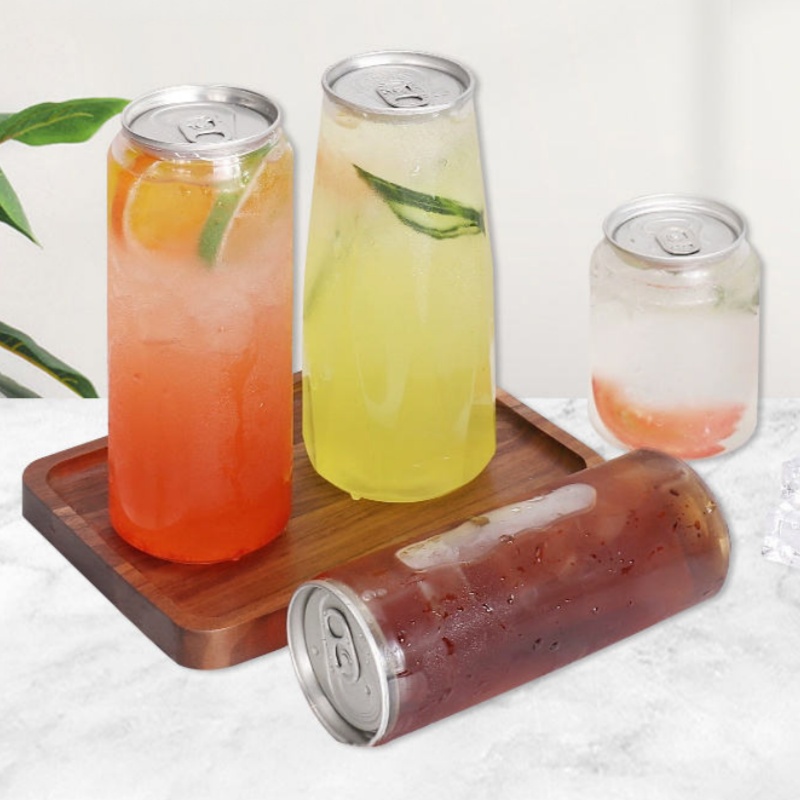
The transparency of RPET material offers an additional advantage for kombucha brands. Unlike opaque aluminum cans, clear or translucent RPET containers allow consumers to see the beverage's natural appearance, including any sediment or "mother" culture, which actually reinforces the product's authenticity and artisanal qualities. This visual transparency builds trust and differentiates organic kombucha products in crowded retail environments.
Kombucha's unique fermentation process creates specific packaging requirements. The beverage contains live probiotic cultures that must remain viable throughout the product's shelf life, while carbonation levels need to be maintained to ensure optimal taste and texture. RPET cans engineered specifically for kombucha applications incorporate advanced barrier technologies that protect against oxygen ingress and carbon dioxide loss.
Modern RPET can manufacturing techniques allow for multi-layer construction, where recycled PET is combined with specialized barrier layers. This configuration provides exceptional protection against environmental factors that could compromise kombucha quality, including:
RPET cans offer significant weight advantages compared to traditional glass bottles or aluminum cans. A typical 12oz RPET can weighs approximately 40% less than its glass equivalent and 15% less than aluminum alternatives. This weight reduction translates directly into reduced transportation costs and lower carbon emissions throughout the supply chain—a critical consideration for organic kombucha brands operating on sustainability principles.
The lightweight nature of RPET packaging also enhances consumer convenience. Kombucha consumers often purchase multiple units for home consumption, and the reduced weight makes carrying and storing products more manageable. Additionally, the shatter-resistant properties of RPET eliminate the safety concerns associated with glass packaging, making these containers ideal for outdoor events, fitness activities, and on-the-go consumption scenarios where kombucha is increasingly popular.
Recent advancements in RPET technology have introduced enhanced barrier coatings and multi-layer structures that rival the performance of virgin materials. These innovations enable kombucha brands to maintain product quality while achieving their sustainability goals, creating a true win-win scenario for brands, consumers, and the environment.
The organic kombucha market is intensely competitive, with hundreds of brands vying for consumer attention. RPET cans offer extensive customization options that enable brands to create distinctive visual identities while maintaining environmental credentials.
Direct-to-can printing, shrink sleeve labeling, and pressure-sensitive labels all work exceptionally well with RPET substrates. High-definition graphics, vibrant colors, and complex designs can be achieved, allowing kombucha brands to tell their story visually while highlighting their commitment to sustainability.
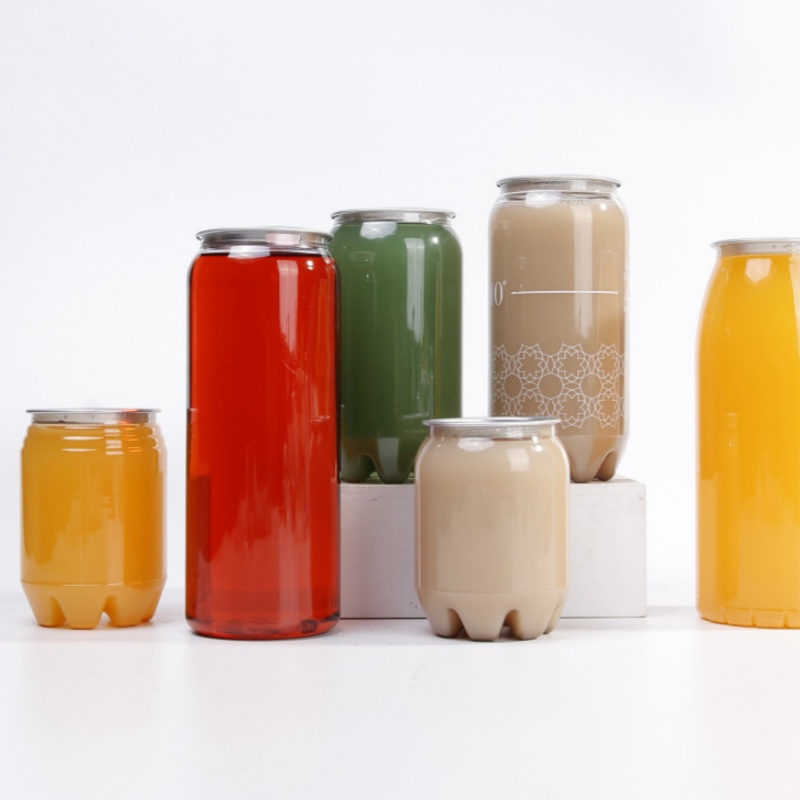
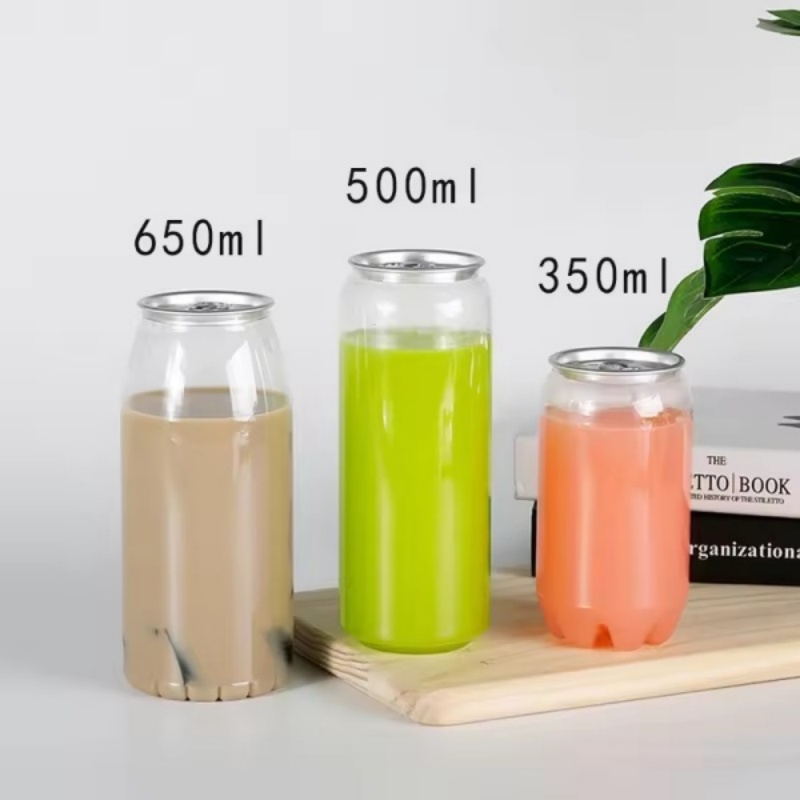
RPET manufacturing processes accommodate various can shapes, sizes, and configurations. From standard 12oz formats to premium 16oz sizes, and from cylindrical designs to unique contoured shapes, RPET technology enables brands to create packaging that stands out on retail shelves.
RPET materials can be produced in varying levels of transparency, from completely clear to translucent or opaque finishes. This flexibility allows kombucha brands to showcase their product's natural appearance or create mystery and intrigue depending on their marketing strategy.
Embossing, debossing, soft-touch coatings, and metallic finishes can all be applied to RPET cans, creating premium packaging experiences that justify higher price points and enhance perceived value among discerning kombucha consumers.
While sustainability drives much of the interest in RPET packaging, economic factors ultimately determine adoption rates among kombucha brands. Fortunately, RPET cans offer compelling financial advantages that complement their environmental benefits.
The economics of RPET have improved dramatically over the past five years. As recycling infrastructure has expanded and collection rates have increased, the availability of quality recycled PET feedstock has grown substantially. This increased supply has stabilized pricing and, in many cases, made RPET cost-competitive with virgin plastic materials. For kombucha brands committing to large-volume orders, RPET cans now represent an economically viable packaging option that doesn't require premium pricing to maintain profitability.
Beyond raw material costs, RPET cans offer several economic advantages throughout the value chain:
Organic kombucha brands must navigate complex regulatory environments, ensuring their packaging meets food safety standards while supporting organic certification requirements. RPET cans manufactured according to current best practices fully comply with relevant regulations and certifications.
High-quality RPET materials used in food-contact applications undergo rigorous testing and approval processes. FDA-approved RPET meets the same safety standards as virgin PET, ensuring no compromise in product safety or quality. For kombucha brands selling internationally, RPET cans can be manufactured to comply with European Union regulations (EU No. 10/2011), Japanese Food Sanitation Law requirements, and other regional standards.
Organic certification bodies, including USDA Organic and various international equivalents, focus primarily on agricultural ingredients and processing methods. However, these organizations increasingly consider the holistic sustainability of products, including packaging choices. RPET cans align with the broader philosophy of organic production, supporting brands' efforts to present cohesive sustainability narratives that resonate with certification bodies and consumers alike.

Leading RPET can manufacturers implement comprehensive quality control systems that ensure consistent performance and safety. These protocols include:
Legislative trends globally point toward mandatory minimum recycled content in plastic packaging. California's SB 54, European Union directives, and similar regulations in other jurisdictions are establishing requirements that will make RPET not just preferable but mandatory for many applications. Forward-thinking kombucha brands that adopt RPET packaging now position themselves ahead of regulatory curves, avoiding future transition costs and disruptions.
Advanced recycling technologies, including chemical or molecular recycling processes, are emerging as game-changers for RPET quality and availability. These technologies can break down PET to its molecular components and rebuild it into materials indistinguishable from virgin plastic, potentially eliminating any performance differences between recycled and virgin materials. As these technologies scale commercially, RPET cans will offer even greater performance capabilities for demanding applications like kombucha packaging.
The convergence of RPET materials with smart packaging technologies creates exciting opportunities for kombucha brands. NFC tags, QR codes, and temperature indicators can be integrated into RPET cans, enabling brands to provide consumers with detailed product information, authentication verification, and freshness monitoring. These features enhance consumer engagement while supporting brand storytelling and transparency initiatives.
Progressive kombucha brands are exploring closed-loop systems where used RPET cans are collected, recycled, and remanufactured into new cans for the same brand. This circular approach represents the ultimate expression of sustainability, creating a regenerative system that minimizes environmental impact while building powerful brand narratives around environmental responsibility.
Leading organic kombucha brands have successfully transitioned to RPET packaging, reporting positive consumer response and measurable sustainability improvements. These brands highlight their packaging choices in marketing materials, using RPET adoption as a key differentiator in competitive markets. Consumer surveys conducted by brands post-transition show increased purchase intent and brand loyalty among environmentally conscious consumers.
Smaller, regional kombucha producers have found RPET cans particularly advantageous for local distribution models. The lightweight nature reduces transportation costs for frequent deliveries to local retailers, while the sustainability story resonates strongly with community-focused consumers who value local businesses demonstrating environmental responsibility.
The growing segment of functional kombucha beverages—products enhanced with additional probiotics, adaptogens, CBD, or other functional ingredients—benefits particularly from RPET packaging. The premium positioning of these products aligns naturally with sustainable packaging choices, and the customization capabilities of RPET allow brands to create distinctive packaging that communicates sophistication and innovation.
Choosing the right RPET can supplier is critical for successful implementation. Kombucha brands should evaluate potential suppliers based on:
Migrating from existing packaging to RPET cans requires careful planning to minimize disruption and maximize success. Key considerations include:
RPET packaging adoption represents a significant brand story that kombucha companies should leverage strategically. The packaging change provides authentic content for multiple marketing channels and consumer touchpoints.
RPET cans themselves serve as powerful communication vehicles. Effective on-package messaging should clearly state the recycled content percentage, explain the environmental benefits, and provide recycling instructions. Many successful brands include simple graphics showing the circular lifecycle of their packaging, helping consumers understand their role in the sustainability cycle.
The transition to RPET packaging generates compelling content for social media, email marketing, and website updates. Behind-the-scenes content showing the manufacturing process, interviews with sustainability team members, and infographics illustrating environmental impact reductions all resonate strongly with kombucha consumers who value transparency and environmental responsibility.
Retailers increasingly feature products with sustainable packaging in promotional programs and special displays. RPET-packaged kombucha products qualify for these opportunities, potentially gaining enhanced visibility and sales lift. Brands should proactively communicate their RPET adoption to retail partners, providing point-of-sale materials that highlight the environmental benefits.
The convergence of consumer preferences, regulatory trends, economic factors, and technical capabilities makes RPET plastic soda cans the optimal packaging choice for organic kombucha brands. These containers deliver the functional performance required to maintain product quality while providing the sustainability credentials that kombucha consumers demand and expect.
As the kombucha market continues expanding and maturing, packaging will play an increasingly important role in brand differentiation and consumer choice. RPET cans offer kombucha brands a way to authentically demonstrate environmental commitment while creating distinctive, appealing packaging that drives purchase decisions and builds brand loyalty.
For organic kombucha brands committed to sustainability, quality, and market leadership, RPET plastic soda cans represent not just a packaging option but a strategic imperative—one that aligns operational decisions with brand values and positions companies for success in an increasingly environmentally conscious marketplace.

Established in 2021, Shanghai COPAK Industry Co., Ltd. maintains a sales office in Shanghai and an associated factory in Guangdong Province. As a professional supplier of eco-friendly food and beverage packaging solutions, our product portfolio includes PET cups, PET cans, and sealing machines, among other related items.
Committed to staying ahead of market trends through continuous innovation, COPAK delivers high-quality yet cost-effective packaging solutions. Our product range covers PET cups and cans in diverse shapes and capacities—from 1oz to 32oz—available in both plain finishes and custom printed designs. As a long-term strategic partner and trusted supplier, we dedicate ourselves to designing and manufacturing reliable, premium-quality, and stylish PET cups and cans for our clients.

Our factory is situated in a well-connected industrial zone, enabling efficient distribution via convenient transportation networks. The spacious and well-organized facility features dedicated areas for raw material storage, production lines, quality control, packaging, and logistics operations.
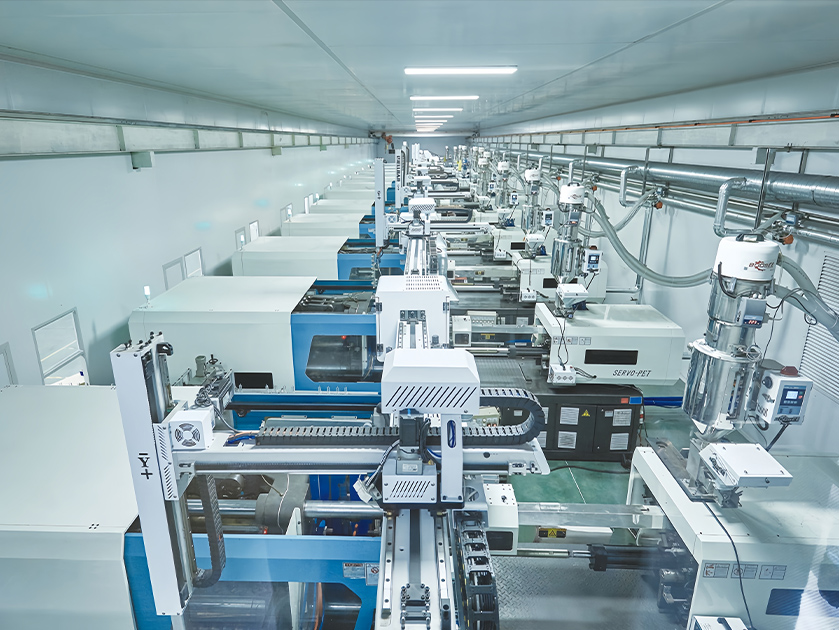
We are equipped with state-of-the-art blow molding machines specifically engineered for PET cup and PET can production, enabling high-speed manufacturing without compromising precision or quality. Additionally, our factory houses injection molding machines for preform production, as well as advanced printing equipment to support custom branding needs.

Our dedicated quality control department is equipped with specialized testing equipment to ensure all PET cups and PET cans adhere to stringent quality standards. Key inspection items include wall thickness uniformity, dimensional accuracy, visual defect screening, and material integrity verification.
COPAK is committed to sustainable development and has implemented targeted initiatives to minimize energy consumption, reduce waste generation, and promote material recycling. These include the adoption of energy-efficient production processes, robust waste management systems, and the integration of recycled PET materials into our cup and can manufacturing.
Contact UsAdhering to global food-grade packaging regulations and standards, our factory holds various authoritative certifications, including ISO 9001, FDA, CE, ROHS, and EU No. 10/2011. These certifications underscore our unwavering commitment to producing safe, high-quality beverage packaging products.

Our dedicated R&D team focuses continuously on product innovation and technological advancement. With professional expertise, the team specializes in developing innovative packaging solutions, optimizing production processes, and exploring sustainable materials and technologies to drive industry progress.

We have established a streamlined logistics system to ensure efficient product distribution. This encompasses well-managed warehousing, precise inventory control, and close coordination with trusted transportation partners, guaranteeing timely and reliable delivery to clients worldwide.


Over 20 production lines for rapid order fulfillment

Fully automated, hands-free production equipment

100,000-class cleanroom workshop

Free samples available upon request

Free replacements for products with critical defects
Having supplied PET cup and PET cans to numerous renowned brands, our products are now distributed globally. Partner with COPAK for a dependable, trustworthy collaboration and achieve mutual success through win-win cooperation.