Leave Your Message
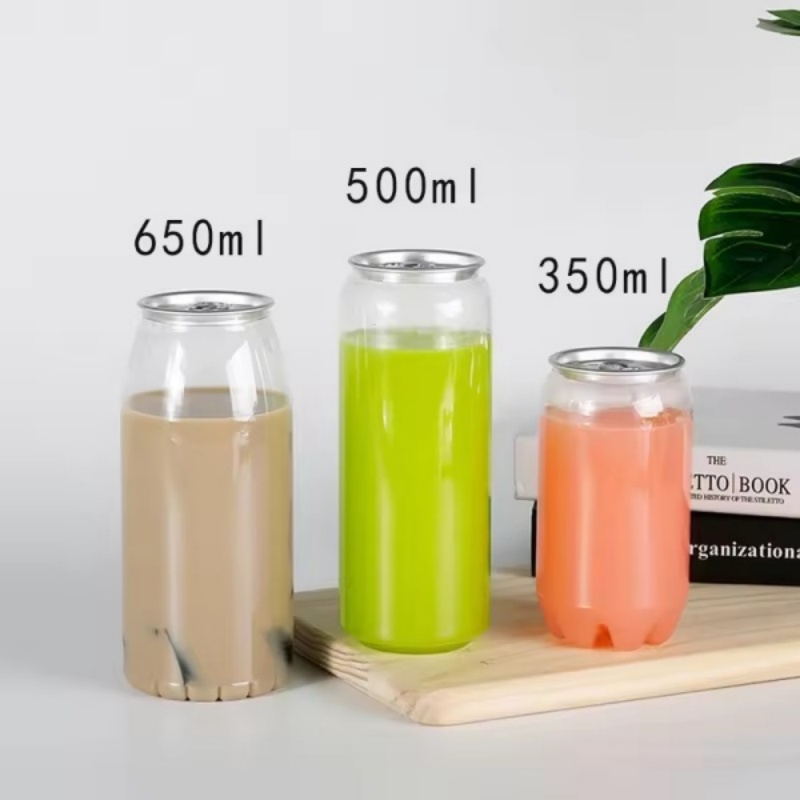
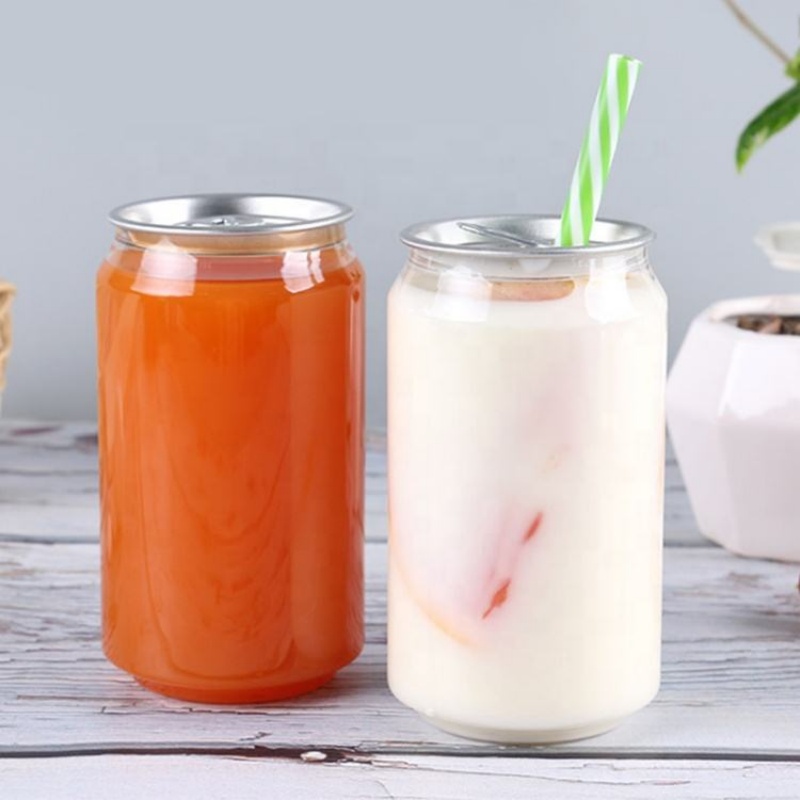
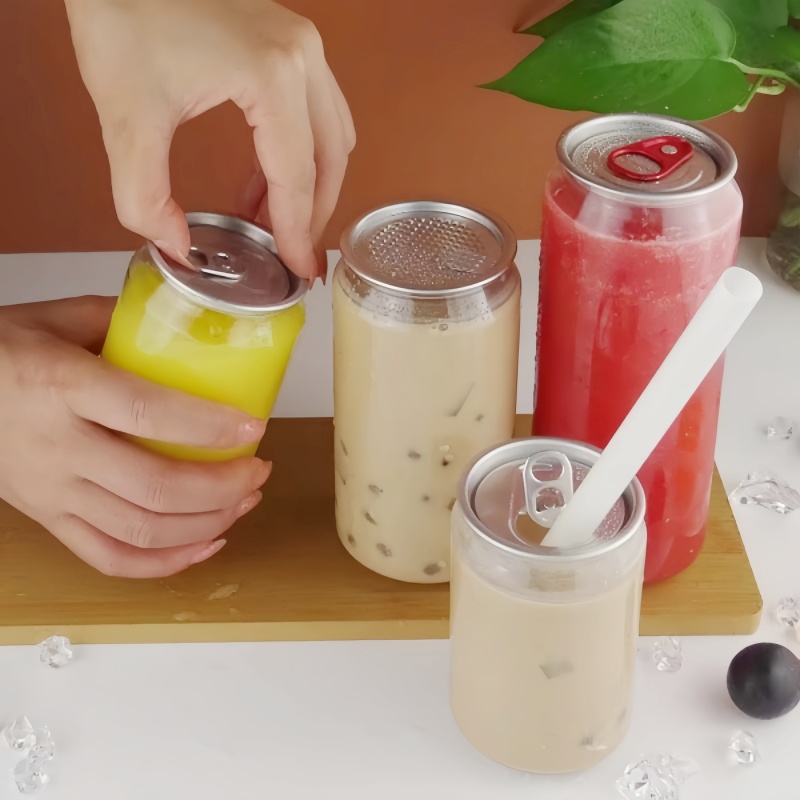
Premium quality PET containers designed specifically for university vending machine applications
The landscape of campus beverage distribution is undergoing a significant transformation, with PET (Polyethylene Terephthalate) soda cans emerging as the preferred packaging solution for university vending machines. This shift represents more than just a packaging change—it's a comprehensive response to evolving student preferences, sustainability imperatives, and operational efficiency demands that define modern campus life.
University campuses represent one of the most dynamic and demanding environments for beverage vending operations. With thousands of students, faculty, and staff requiring convenient access to refreshments throughout the day, vending machines have become essential infrastructure. Traditional aluminum cans and glass bottles, while functional, present limitations in weight, breakage risk, and recycling complexity. PET soda cans address these challenges while offering unprecedented customization opportunities that resonate with the tech-savvy, environmentally conscious student demographic.
The commercial adoption of PET soda cans in university vending operations has accelerated dramatically over the past five years. Major beverage brands and campus food service providers are increasingly recognizing the strategic advantages of PET packaging in high-traffic educational environments. The global PET beverage container market, valued at approximately $45 billion in 2023, is projected to reach $62 billion by 2030, with university and institutional vending representing a rapidly growing segment.
Several factors drive this commercial expansion. First, PET cans offer superior shatter resistance compared to glass, reducing liability concerns and maintenance costs associated with broken containers in vending machines. Second, the lighter weight of PET compared to aluminum translates to reduced transportation costs and easier restocking procedures—critical considerations for campus facilities management teams handling multiple vending locations daily.
From an industrial perspective, manufacturing capabilities for PET soda cans have matured significantly. Advanced blow-molding technologies now enable production of PET containers with wall thickness uniformity and structural integrity that rivals traditional packaging materials. Production lines can achieve speeds exceeding 40,000 units per hour, with integrated quality control systems ensuring consistent dimensional accuracy and visual appeal—essential for maintaining brand standards in competitive campus markets.
Student Sustainability Expectations: Modern university students demonstrate unprecedented environmental awareness, with 73% of Gen Z consumers willing to pay premium prices for sustainable products. PET cans, being 100% recyclable and increasingly manufactured from recycled content, align perfectly with these values.
Operational Efficiency: Campus vending operators report 30-40% reduction in restocking time when transitioning from traditional cans to PET containers, due to lighter weight and easier handling characteristics.
Customization Capabilities: Universities can leverage PET's superior printability to create campus-branded beverages, supporting school spirit initiatives and generating additional revenue through exclusive product lines.
The trajectory of PET soda can development for university vending applications reveals several compelling trends that will define the next generation of campus beverage distribution:
Smart Packaging Integration: Emerging technologies are enabling PET cans with embedded NFC (Near Field Communication) chips or QR codes that connect students to nutritional information, loyalty programs, and campus sustainability initiatives. Several pilot programs at major universities have demonstrated 25% increases in student engagement when beverages offer digital connectivity features.
Advanced Barrier Technologies: Next-generation PET formulations incorporate oxygen barrier layers that extend shelf life for carbonated beverages to 12+ months, matching or exceeding aluminum can performance. This development is particularly significant for campus vending operations where inventory turnover can vary seasonally.
Lightweighting Innovations: Ongoing material science advances are producing PET cans with 15-20% less material while maintaining structural integrity. For large university systems operating hundreds of vending machines, this translates to substantial cost savings and reduced environmental footprint across the supply chain.
Circular Economy Models: Progressive universities are implementing closed-loop recycling systems where PET cans from campus vending machines are collected, processed, and returned as new containers within the same campus ecosystem. These initiatives demonstrate recycling rates exceeding 85%, compared to typical municipal recycling rates of 30-35%.
Ergonomic shapes and sizes specifically engineered for standard vending machine configurations and student handling preferences
Recyclable materials supporting university environmental commitments and student expectations for eco-conscious products
Lightweight construction reducing restocking labor and transportation costs across distributed campus locations
Full-color printing capabilities enabling university-branded beverages and promotional campaigns
Reduced breakage rates and lower transportation costs improving overall vending operation profitability
Smart packaging compatibility supporting cashless payment systems and student engagement platforms
Understanding the specific application contexts within university campuses reveals why PET soda cans are becoming the preferred packaging solution:
High-Traffic Academic Buildings: Main classroom buildings and libraries experience peak vending demand during class breaks, requiring machines that can be rapidly restocked without disrupting student flow. PET cans' lighter weight enables facilities staff to restock machines 40% faster than with traditional aluminum cans, minimizing service interruption during critical high-traffic periods.
Residential Halls and Dormitories: Student living areas require 24/7 beverage access with minimal noise disruption. PET cans eliminate the distinctive "clinking" sound of aluminum containers during vending machine operation—a seemingly minor detail that significantly improves quality of life in residential settings. Additionally, the shatter-proof nature of PET reduces safety concerns in environments where students may be barefoot or distracted.
Athletic and Recreation Facilities: Campus gyms and sports complexes present unique challenges including temperature fluctuations, high humidity, and rough handling. PET cans demonstrate superior performance in these conditions, with condensation-resistant surfaces that maintain grip even when cold, and durability that withstands the more aggressive handling typical in athletic environments.
Outdoor Campus Spaces: Universities increasingly place vending machines in outdoor courtyards and gathering spaces. PET's UV-resistant properties prevent label degradation from sun exposure, while the material's temperature stability ensures consistent product quality across seasonal weather variations—critical for maintaining beverage carbonation and taste profiles.
Late-Night Study Areas: Extended-hours study spaces have become standard on modern campuses, creating demand for convenient beverage access during non-traditional hours. PET cans' lighter weight and quieter dispensing characteristics make them ideal for these environments where minimizing disruption is essential.
The financial implications of transitioning to PET soda cans extend beyond simple per-unit costs, encompassing the entire value chain of campus vending operations:
Total Cost of Ownership Analysis: While individual PET cans may have slightly higher upfront costs compared to aluminum (typically 2-5% premium), comprehensive cost analysis reveals significant savings across operational dimensions. Reduced transportation costs due to lighter weight, decreased breakage-related losses (PET demonstrates 90% lower breakage rates), and faster restocking procedures combine to create total cost advantages of 15-20% over three-year operational periods.
Revenue Enhancement Opportunities: Universities leveraging PET's customization capabilities report revenue increases through premium-priced campus-branded beverages. Limited edition designs for homecoming, graduation, and other campus events create collectible products that command 20-30% price premiums while strengthening institutional identity and school spirit.
Sustainability ROI: Progressive institutions are discovering that visible sustainability initiatives, including PET can recycling programs, positively impact student recruitment and retention. Quantifying this "sustainability premium" is challenging, but surveys indicate that 40% of prospective students consider environmental initiatives when selecting universities—suggesting that PET can adoption contributes to broader institutional value creation.
Successful PET can implementation in university vending machines requires attention to specific technical parameters that ensure reliable operation:
Dimensional Standardization: Campus vending machines typically accommodate standard 12oz (355ml) and 16oz (473ml) formats. PET cans must maintain dimensional tolerances within ±0.5mm to ensure consistent dispensing without jamming. Leading manufacturers have achieved this precision through advanced blow-molding technologies with real-time dimensional monitoring.
Structural Integrity Requirements: Vending machine mechanisms exert significant forces during product selection and dispensing. PET cans for campus applications must withstand minimum 20kg top-load compression and 15kg side-load forces without deformation—specifications that modern PET formulations consistently exceed.
Temperature Performance: Campus vending machines typically maintain internal temperatures of 35-40°F (2-4°C). PET cans must demonstrate dimensional stability across this range without condensation-induced label degradation or structural changes that could affect dispensing reliability.
Projecting forward, several emerging developments will further accelerate PET can adoption in university vending environments:
Bio-Based PET Materials: Next-generation PET formulations incorporating plant-based feedstocks are entering commercial production, with bio-content levels reaching 30-50%. These materials maintain all performance characteristics of petroleum-based PET while dramatically reducing carbon footprint—a development that aligns perfectly with university sustainability commitments.
Chemical Recycling Technologies: Advanced recycling processes that break down PET to molecular components for repolymerization are scaling commercially. These technologies enable infinite recycling loops without quality degradation, transforming campus vending operations into true circular economy models.
Integrated Sensor Technologies: Emerging "smart can" concepts incorporate thin-film sensors that monitor beverage temperature, detect contamination, and track consumption patterns. For campus applications, this data enables dynamic vending machine restocking based on real-time demand patterns, reducing waste and improving product availability.
Personalization at Scale: Digital printing technologies are enabling economically viable short-run customization, allowing universities to create personalized beverages for specific events, departments, or even individual students—transforming vending machines into engagement platforms rather than mere transaction points.

Established in 2021, Shanghai COPAK Industry Co., Ltd. maintains a sales office in Shanghai and an associated factory in Guangdong Province. As a professional supplier of eco-friendly food and beverage packaging solutions, our product portfolio includes PET cups, PET cans, and sealing machines, among other related items.
Committed to staying ahead of market trends through continuous innovation, COPAK delivers high-quality yet cost-effective packaging solutions. Our product range covers PET cups and cans in diverse shapes and capacities—from 1oz to 32oz—available in both plain finishes and custom printed designs. As a long-term strategic partner and trusted supplier, we dedicate ourselves to designing and manufacturing reliable, premium-quality, and stylish PET cups and cans for our clients.
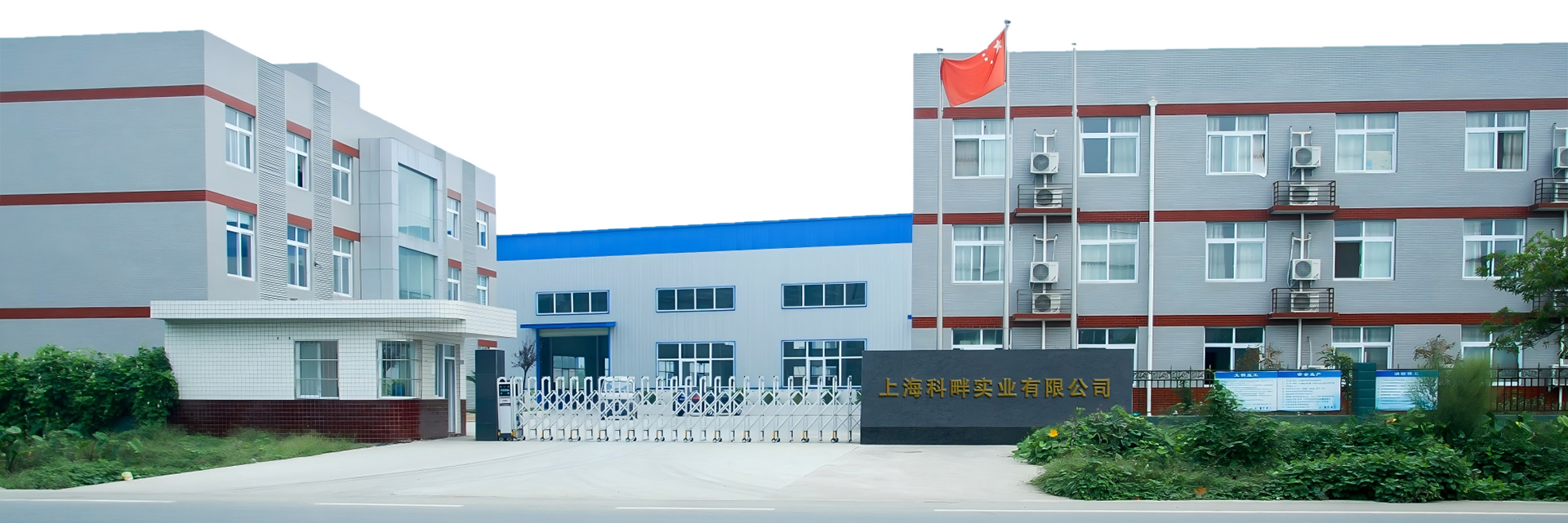
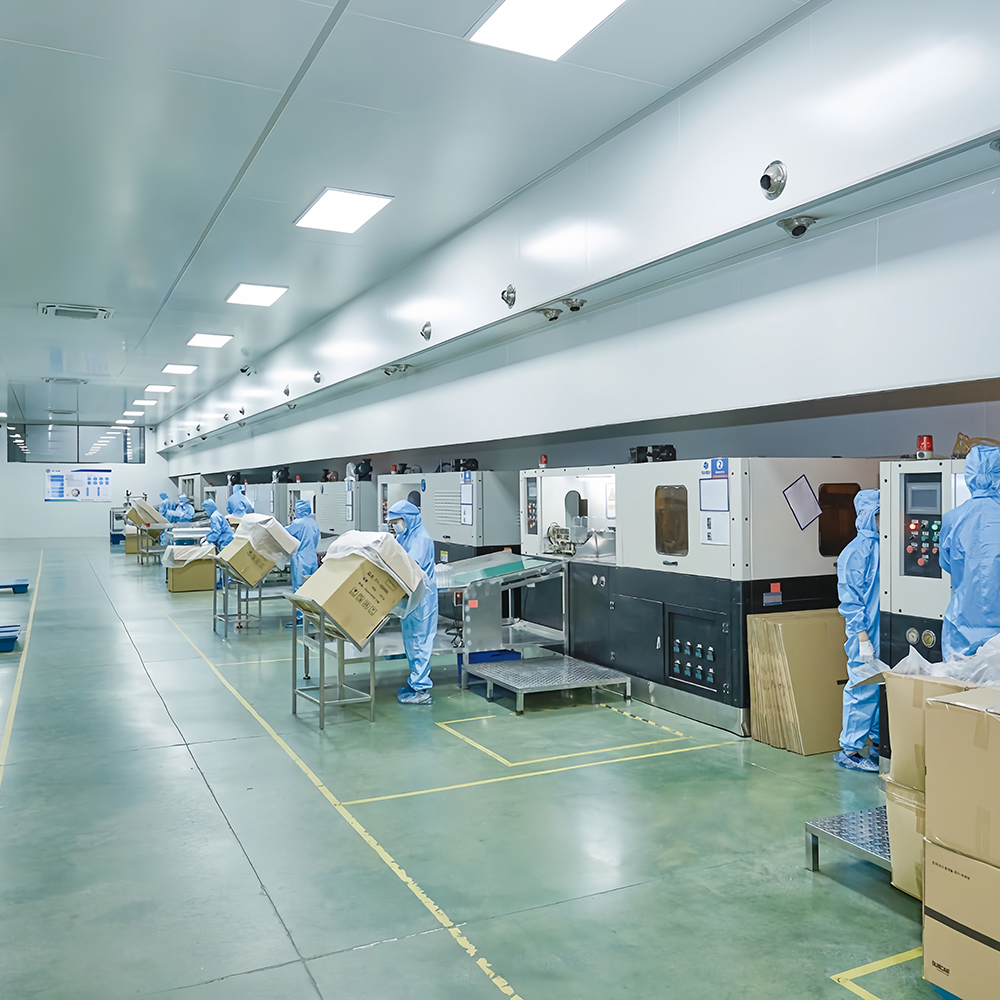
Our factory is situated in a well-connected industrial zone, enabling efficient distribution via convenient transportation networks. The spacious and well-organized facility features dedicated areas for raw material storage, production lines, quality control, packaging, and logistics operations.
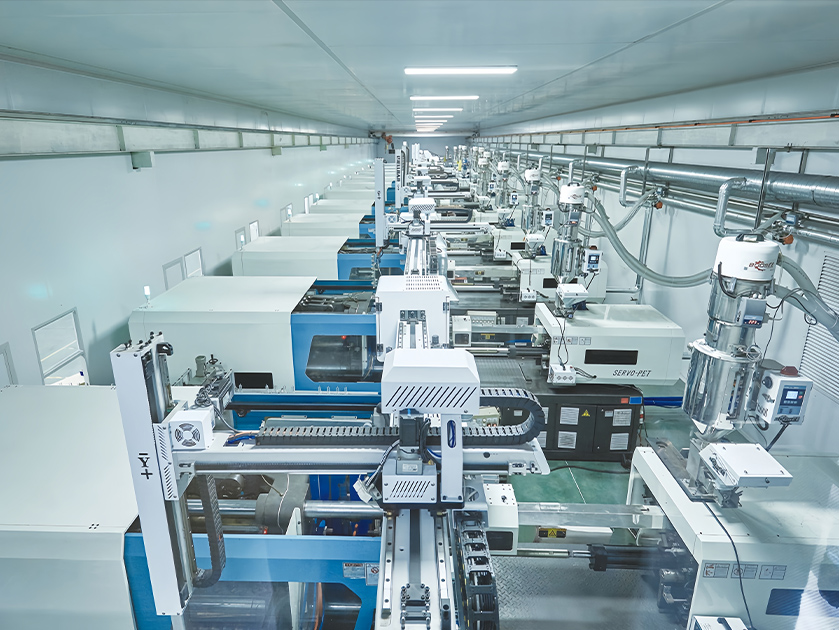
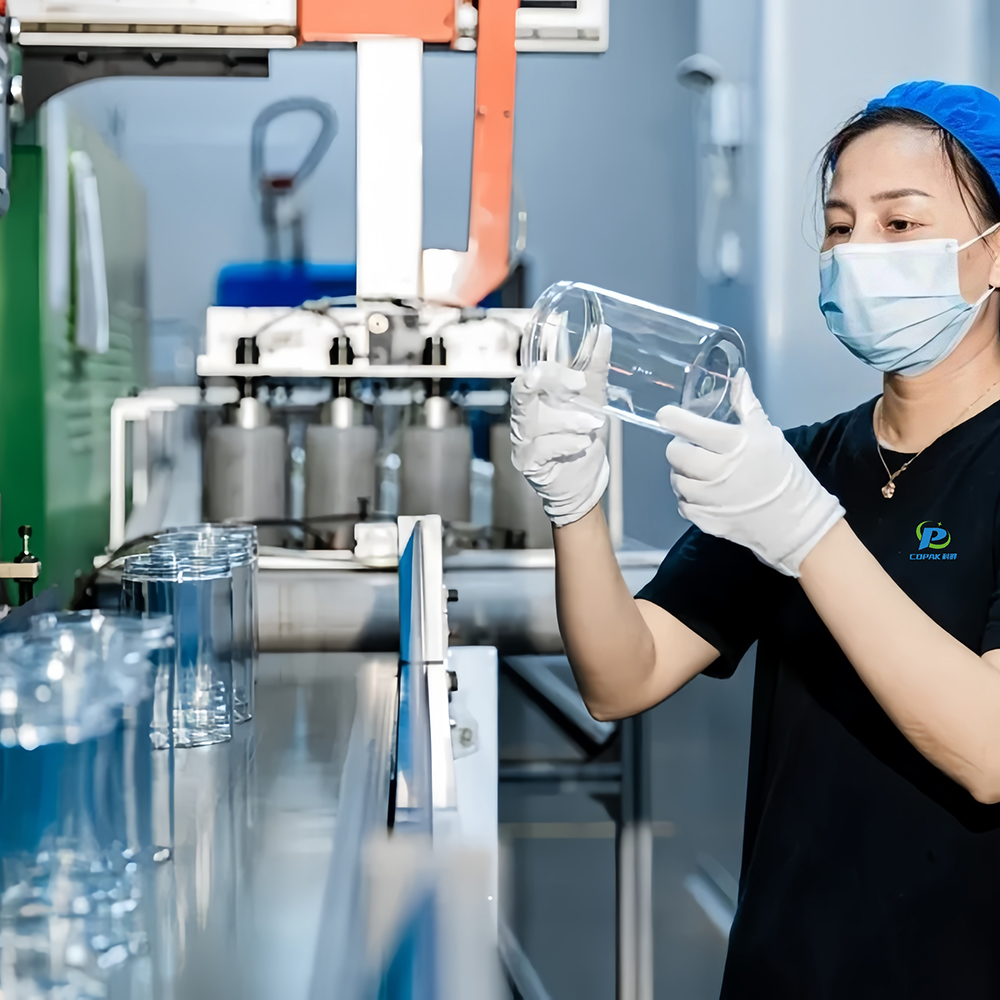
We are equipped with state-of-the-art blow molding machines specifically engineered for PET cup and PET can production, enabling high-speed manufacturing without compromising precision or quality. Additionally, our factory houses injection molding machines for preform production, as well as advanced printing equipment to support custom branding needs.
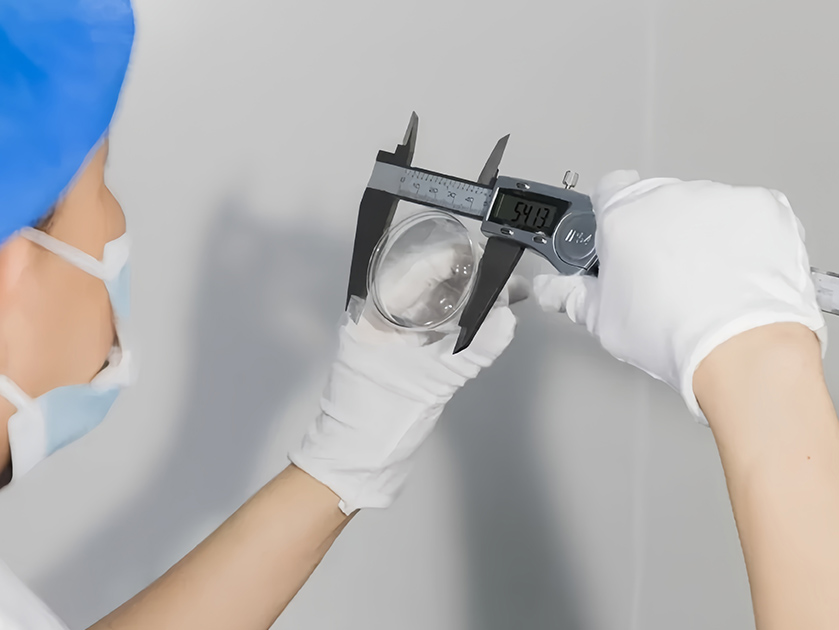
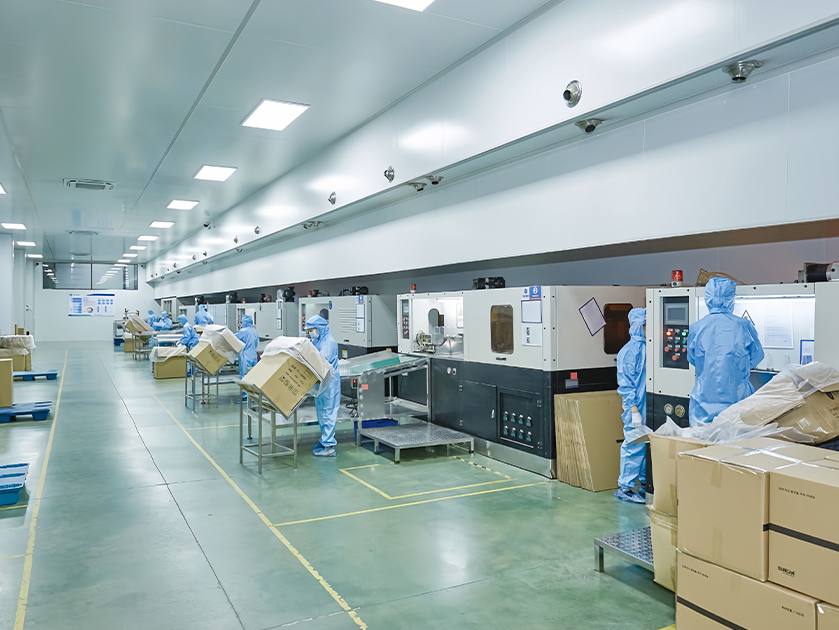
Our dedicated quality control department is equipped with specialized testing equipment to ensure all PET cups and PET cans adhere to stringent quality standards. Key inspection items include wall thickness uniformity, dimensional accuracy, visual defect screening, and material integrity verification.
COPAK is committed to sustainable development and has implemented targeted initiatives to minimize energy consumption, reduce waste generation, and promote material recycling. These include the adoption of energy-efficient production processes, robust waste management systems, and the integration of recycled PET materials into our cup and can manufacturing.
Contact UsAdhering to global food-grade packaging regulations and standards, our factory holds various authoritative certifications, including ISO 9001, FDA, CE, ROHS, and EU No. 10/2011. These certifications underscore our unwavering commitment to producing safe, high-quality beverage packaging products.
Our dedicated R&D team focuses continuously on product innovation and technological advancement. With professional expertise, the team specializes in developing innovative packaging solutions, optimizing production processes, and exploring sustainable materials and technologies to drive industry progress.
We have established a streamlined logistics system to ensure efficient product distribution. This encompasses well-managed warehousing, precise inventory control, and close coordination with trusted transportation partners, guaranteeing timely and reliable delivery to clients worldwide.


Over 20 production lines for rapid order fulfillment

Fully automated, hands-free production equipment

100,000-class cleanroom workshop

Free samples available upon request

Free replacements for products with critical defects
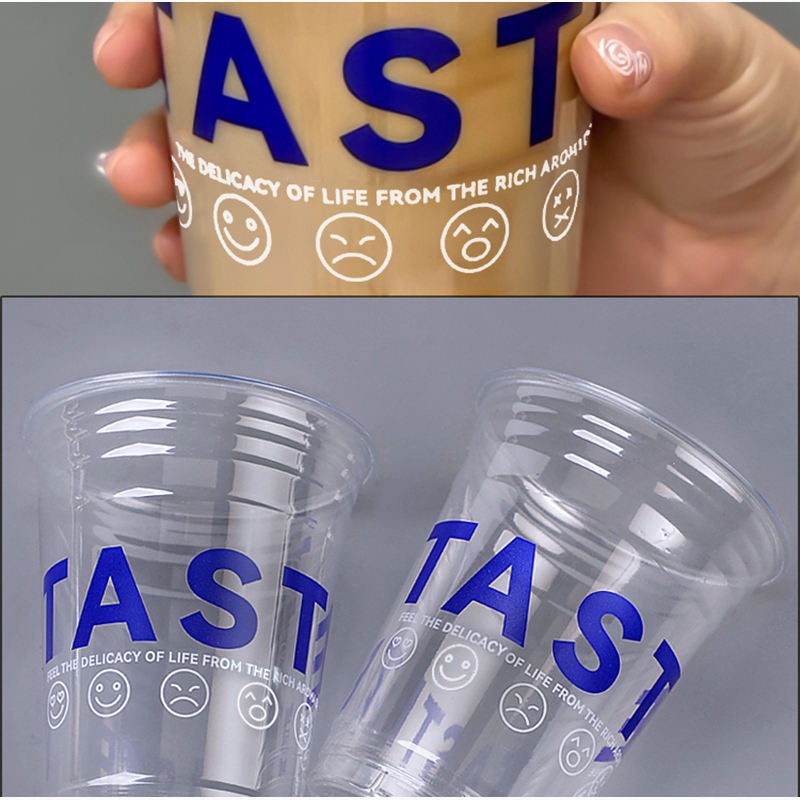
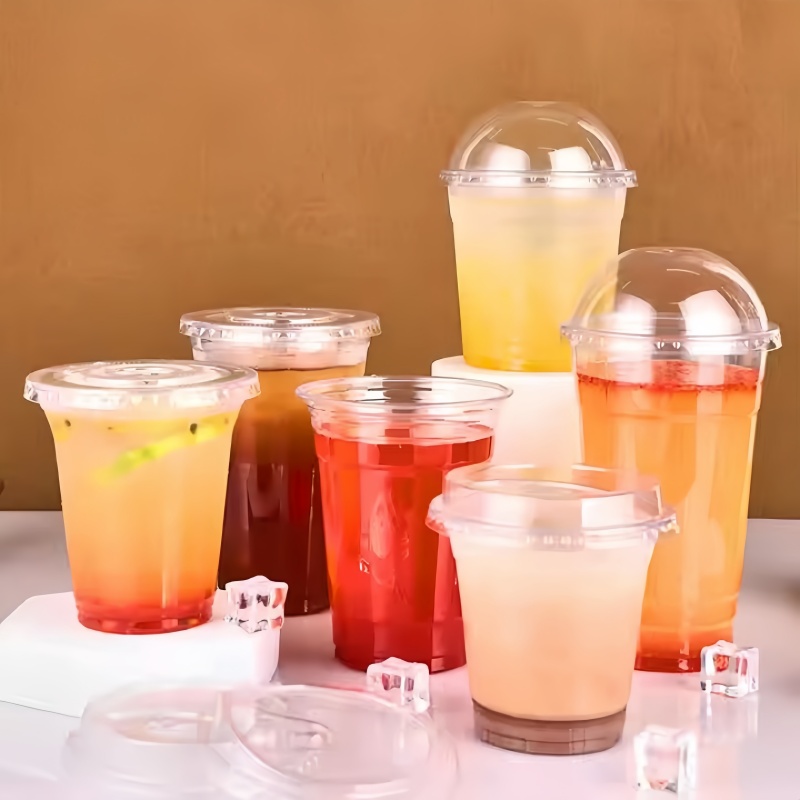
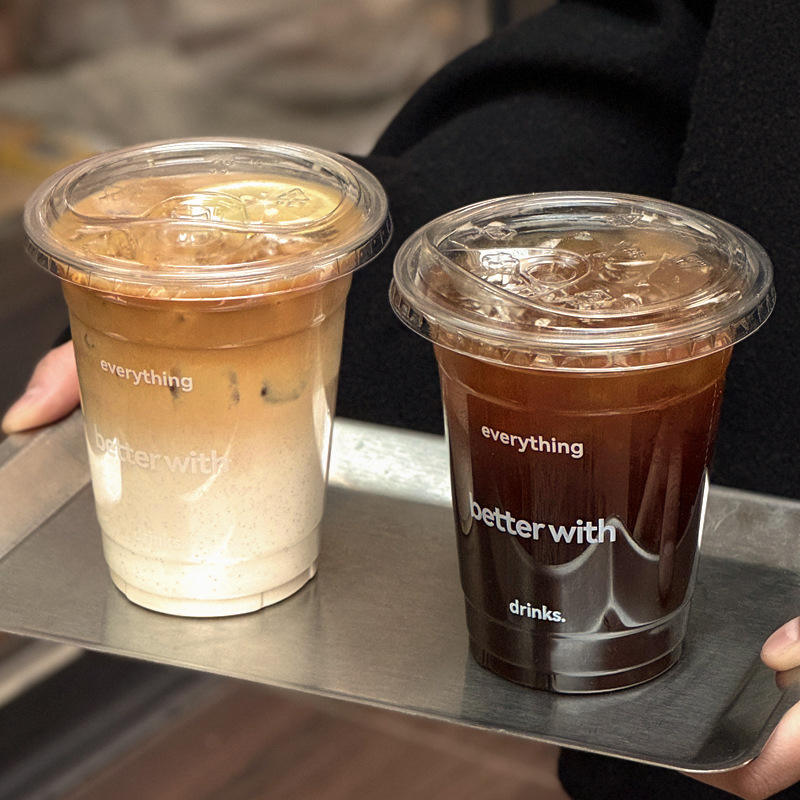
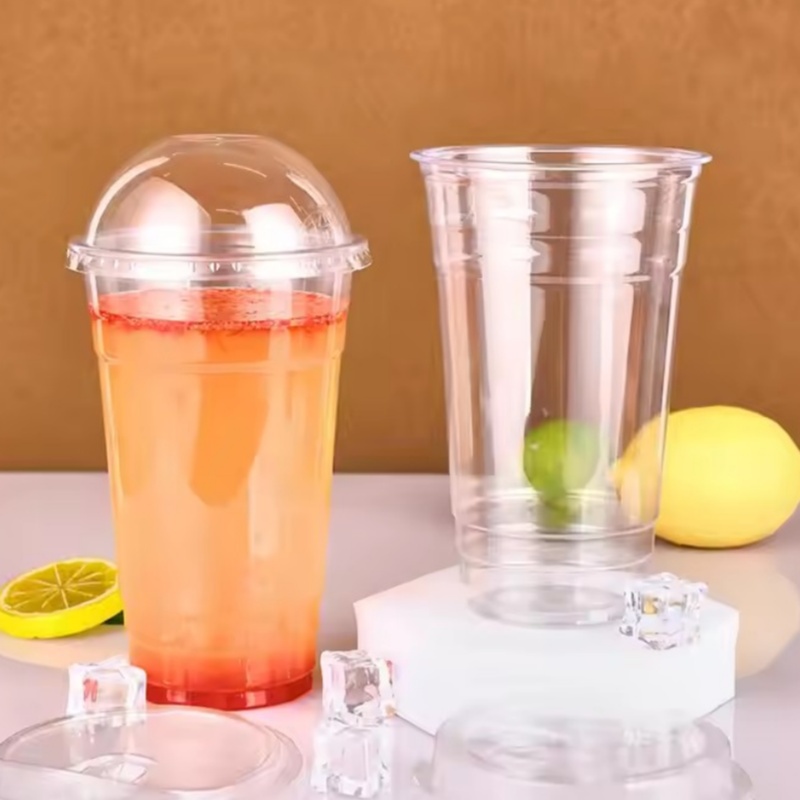
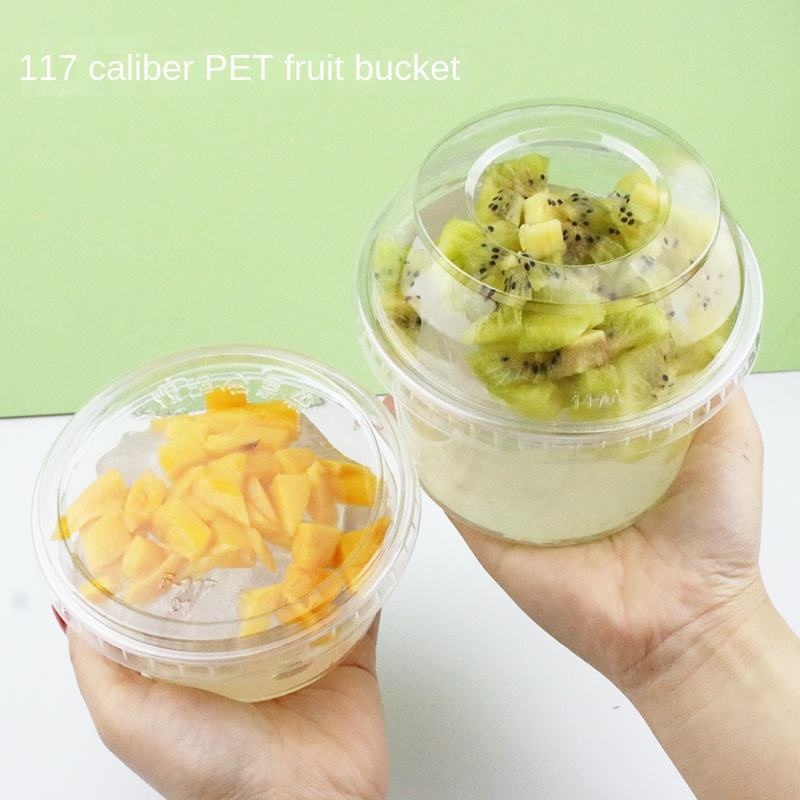
Explore our comprehensive range of PET products designed for campus vending and beverage applications
Having supplied PET cup and PET cans to numerous renowned brands, our products are now distributed globally. Partner with COPAK for a dependable, trustworthy collaboration and achieve mutual success through win-win cooperation.