Leave Your Message
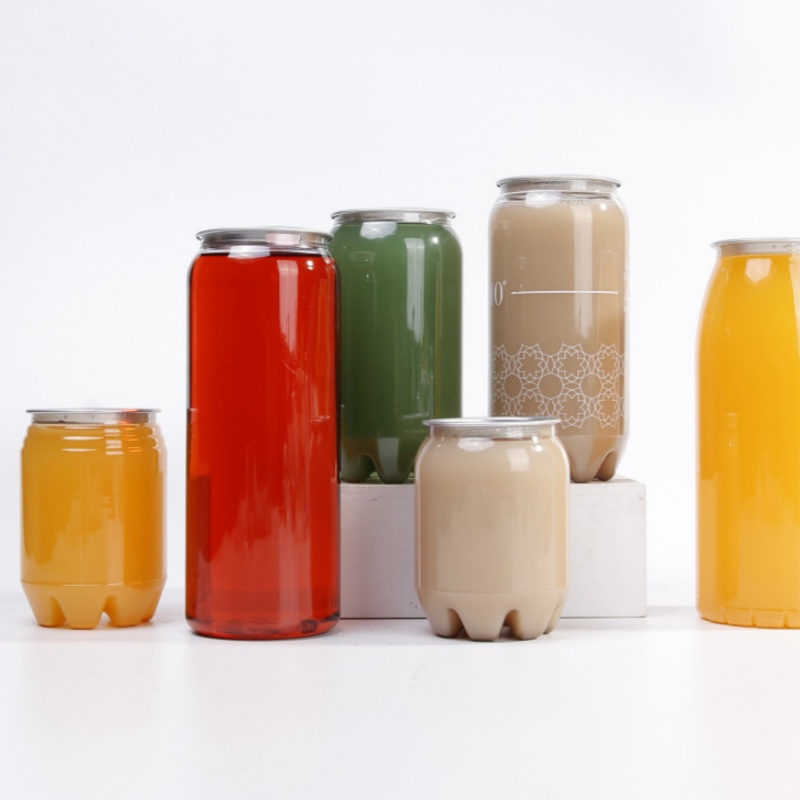
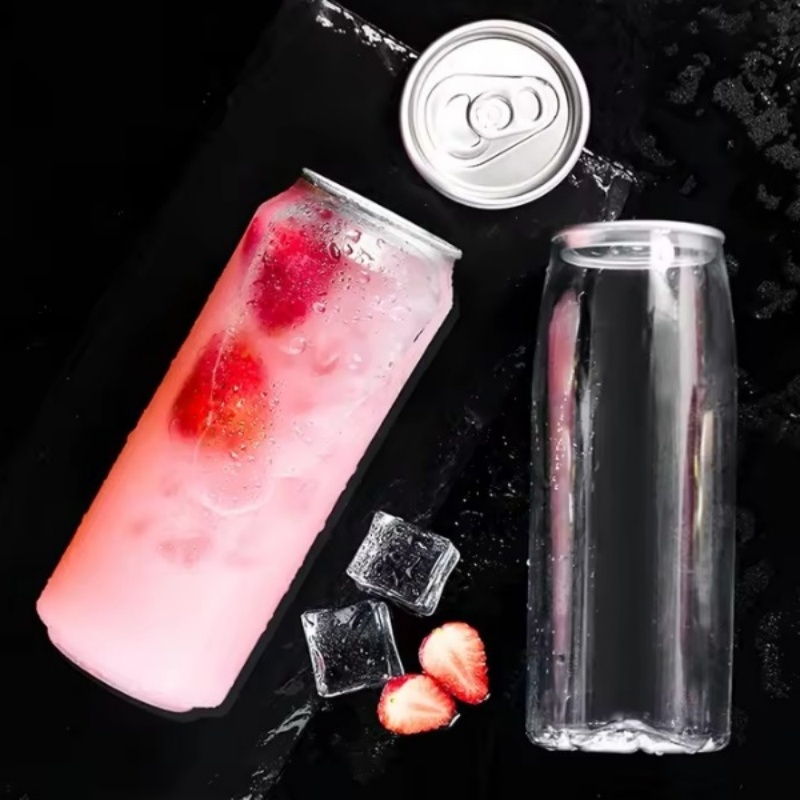
Explore our top-quality food-grade PET cans specifically designed for organic kombucha brands
The organic kombucha market has experienced exponential growth over the past decade, driven by increasing consumer demand for healthier, probiotic-rich beverages. As this market expands, packaging innovation has become crucial for brands seeking to differentiate themselves while maintaining product integrity. Food-grade PET cans have emerged as the packaging solution of choice for forward-thinking kombucha brands, offering an optimal balance of functionality, sustainability, and brand appeal.
The global kombucha market was valued at approximately $2.64 billion in 2023 and is projected to reach $7.05 billion by 2030, growing at a CAGR of 15.2%. This remarkable growth is fueled by health-conscious millennials and Gen Z consumers who prioritize functional beverages with tangible wellness benefits. Organic kombucha brands, in particular, have captured significant market share by emphasizing clean ingredients, transparent sourcing, and eco-friendly packaging.
Within this competitive landscape, packaging plays a pivotal role in brand positioning and consumer perception. Traditional glass bottles, while premium in appearance, present challenges including weight, fragility, and transportation costs. Aluminum cans offer durability but lack transparency, preventing consumers from seeing the product. Food-grade PET cans bridge this gap, providing the visual appeal of glass with the practicality of metal cans.
Kombucha is a living beverage containing active cultures and probiotics that require specific packaging considerations. Food-grade PET cans offer several critical advantages:
PET cans provide excellent protection against oxygen and light penetration, preserving the delicate probiotic cultures and preventing premature fermentation that could compromise product quality.
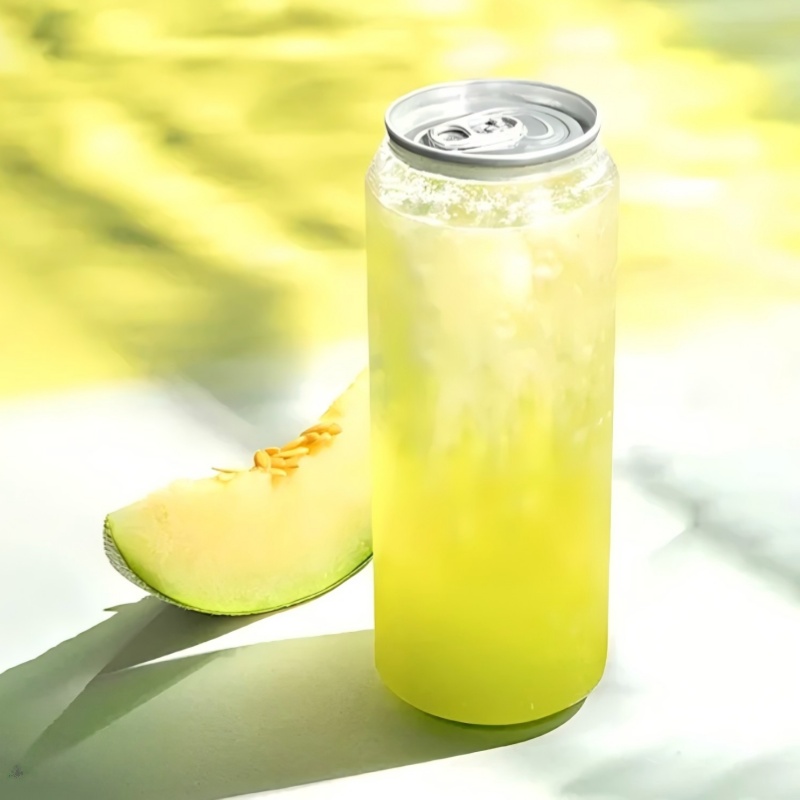
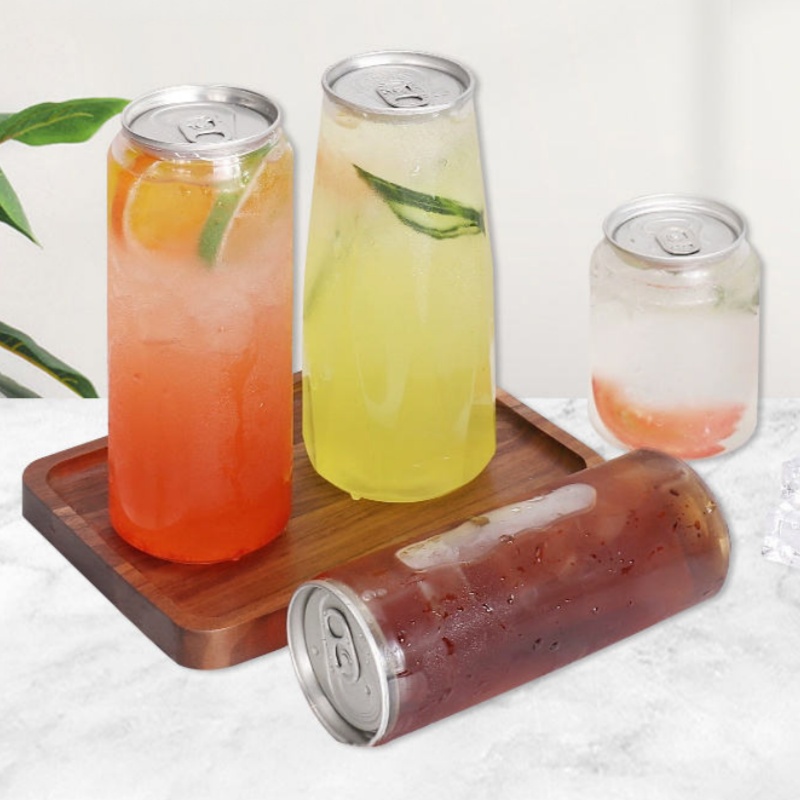
The clear or tinted PET material allows consumers to see the authentic appearance of kombucha, including natural sediment and color variations that signal quality and authenticity.
PET is highly recyclable and significantly lighter than glass, reducing carbon footprint during transportation—a critical consideration for environmentally conscious kombucha brands.
Several converging trends are accelerating the adoption of food-grade PET cans in the organic kombucha sector:
Premiumization and Differentiation: As the kombucha market matures, brands are seeking packaging that communicates premium quality while standing out on crowded retail shelves. Custom-shaped PET cans with unique contours and embossed branding elements enable brands to create distinctive shelf presence without the cost and complexity of custom glass molds.
Direct-to-Consumer Shipping: The rise of e-commerce and subscription models for kombucha delivery has highlighted the importance of shatter-resistant, lightweight packaging. PET cans dramatically reduce shipping damage rates and costs compared to glass, making them ideal for DTC business models.
On-the-Go Consumption: Modern consumers increasingly seek convenient, portable beverage options. PET cans with easy-open ends and resealable options cater to this demand while maintaining the product's carbonation and freshness.
Regulatory Compliance: Food-grade PET materials meet stringent FDA, EU, and international food contact regulations, ensuring that no harmful substances leach into the kombucha. This compliance is essential for organic certification and consumer trust.
Leading organic kombucha brands have reported up to 35% reduction in packaging costs and 40% decrease in shipping-related product loss after transitioning to food-grade PET cans. Additionally, consumer surveys indicate that 68% of health-conscious beverage consumers view transparent packaging as a sign of product quality and brand transparency—a perception that directly translates to purchase intent and brand loyalty.
One of the most critical technical challenges in kombucha packaging is managing internal pressure from natural carbonation. Unlike artificially carbonated beverages, kombucha continues to ferment slowly even after packaging, generating CO2 that can create pressure buildup. Modern food-grade PET cans are engineered with specific wall thickness and structural reinforcement to safely contain pressures up to 90 PSI, well above the typical 30-50 PSI range of kombucha products.
Advanced PET formulations incorporate specialized additives that enhance the material's stress-crack resistance, preventing failure points that could compromise package integrity. This engineering ensures product safety throughout the distribution chain, from production facility to consumer refrigerator.
Probiotic cultures and organic acids in kombucha are sensitive to UV light exposure, which can degrade beneficial compounds and alter flavor profiles. While clear PET offers brand visibility, it must be balanced with product protection. Innovative solutions include:
These technologies can extend refrigerated shelf life by 30-50% compared to standard clear PET, reducing waste and improving distribution efficiency.
The kombucha market is highly brand-driven, with consumers forming strong loyalties based on taste, values, and visual identity. Food-grade PET cans offer exceptional customization opportunities:
Shape Innovation: Unlike rigid glass or aluminum, PET can be molded into distinctive shapes—from sleek cylinders to ergonomic contoured designs—that become brand signatures. Custom shapes also improve grip and pourability, enhancing the consumer experience.
Printing and Labeling: PET accepts various decoration methods including direct printing, shrink sleeves, pressure-sensitive labels, and in-mold labeling. High-resolution graphics and tactile finishes enable brands to communicate their artisanal, organic positioning effectively.
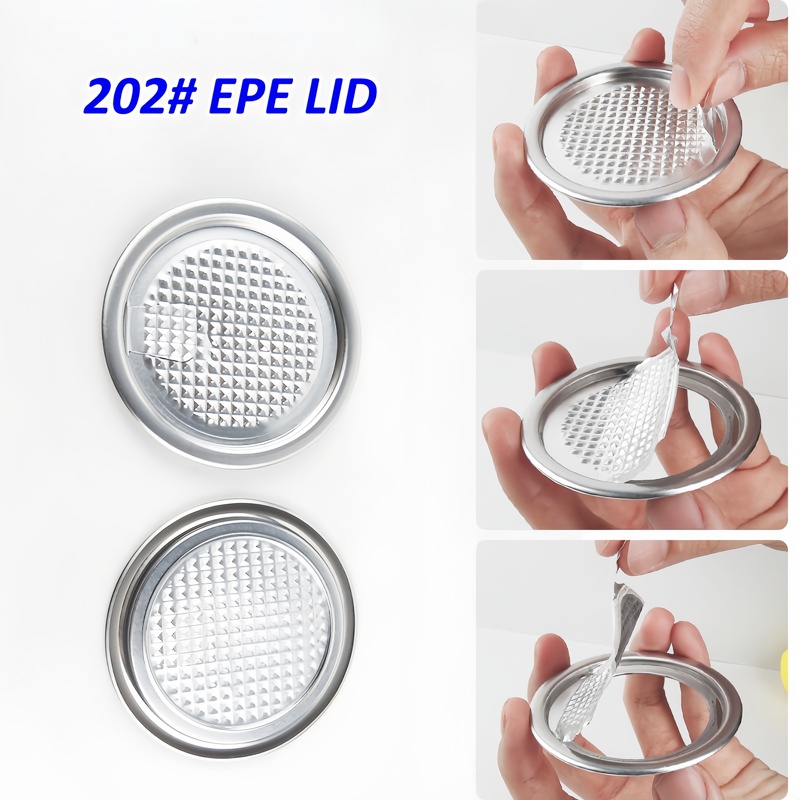
Closure Systems: From traditional 202# aluminum ends to innovative resealable plastic closures, PET cans accommodate various sealing solutions that balance convenience, freshness preservation, and sustainability.
Environmental responsibility is non-negotiable for organic kombucha brands and their consumers. The PET industry has responded with significant sustainability advancements:
Recycled PET (rPET): Post-consumer recycled PET now represents a viable alternative to virgin material, with some manufacturers offering cans containing up to 100% rPET content. This dramatically reduces the carbon footprint—studies show rPET production generates 79% less CO2 than virgin PET.
Bio-based PET: Partially or fully plant-derived PET made from sugarcane or other renewable feedstocks is emerging as a commercial reality. While chemically identical to petroleum-based PET, bio-PET reduces dependency on fossil fuels and can be marketed as a premium sustainable option.
Lightweighting: Continuous material science improvements enable thinner walls and reduced material usage without compromising structural integrity. Modern PET cans can be up to 40% lighter than equivalents from a decade ago.
Circular Economy Integration: PET's recyclability makes it ideal for circular economy models. Progressive brands are partnering with recycling programs and even creating closed-loop systems where used cans are collected, recycled, and remanufactured into new packaging.
Small-batch kombucha producers face unique challenges balancing artisanal quality with commercial viability. Food-grade PET cans offer these breweries a professional packaging solution without requiring the capital investment of glass bottling lines. The lower minimum order quantities typical of PET can suppliers enable craft brewers to test multiple SKUs and seasonal flavors without excessive inventory risk.
Case example: A Portland-based organic kombucha brewery transitioned from glass bottles to custom-shaped PET cans, reducing per-unit packaging costs by 28% while eliminating breakage losses that previously consumed 3-5% of production. The distinctive can shape became a brand identifier, driving 22% sales increase in competitive retail environments.
Established brands with national distribution networks prioritize consistency, shelf life, and logistics efficiency. PET cans excel in these areas, offering uniform quality across millions of units and simplified warehouse management. The stackability and durability of PET cans optimize pallet configuration and reduce handling damage.
Major brands have successfully used PET cans to enter new retail channels previously inaccessible with glass packaging, including convenience stores, fitness centers, and outdoor venues where glass is prohibited. This channel expansion has contributed to double-digit growth for brands making the transition.
The next generation of kombucha products incorporates additional functional ingredients—adaptogens, CBD, enhanced probiotics, and nootropics. These formulations often require specialized packaging to protect sensitive compounds. PET cans can be engineered with specific barrier properties and even incorporate active packaging technologies that interact with the product to extend efficacy.
Multi-chamber PET can designs are emerging that separate ingredients until consumption, ensuring maximum potency and freshness. This innovation enables kombucha brands to differentiate through functional benefits while maintaining the convenience and sustainability consumers expect.
Organic kombucha brands expanding internationally face complex logistics and regulatory requirements. PET cans' lightweight nature dramatically reduces shipping costs—particularly important for ocean freight where weight and volume charges accumulate. The shatter-resistance eliminates the need for expensive protective packaging and reduces insurance costs.
PET's global acceptance and recyclability facilitate market entry in regions with strict packaging regulations. Brands can confidently export knowing their packaging complies with international food safety standards and supports local recycling infrastructure.
The growing private label kombucha segment for retailers and the co-packing industry both benefit from PET can standardization. Retailers can develop distinctive store brands using custom printing on standard can shapes, reducing development time and costs. Co-packers can serve multiple brands efficiently using common can sizes with varied decoration, optimizing production runs and inventory management.
SHANGHAI COPAK INDUSTRY CO., LTD.
Established in 2021, Shanghai COPAK Industry Co., Ltd. maintains a sales office in Shanghai and an associated factory in Guangdong Province. As a professional supplier of eco-friendly food and beverage packaging solutions, our product portfolio includes PET cups, PET cans, and sealing machines, among other related items.
Committed to staying ahead of market trends through continuous innovation, COPAK delivers high-quality yet cost-effective packaging solutions. Our product range covers PET cups and cans in diverse shapes and capacities—from 1oz to 32oz—available in both plain finishes and custom printed designs. As a long-term strategic partner and trusted supplier, we dedicate ourselves to designing and manufacturing reliable, premium-quality, and stylish PET cups and cans for our clients.

Our optimized facility and advanced equipment are governed by stringent quality control, ensuring efficient, high-standard production.
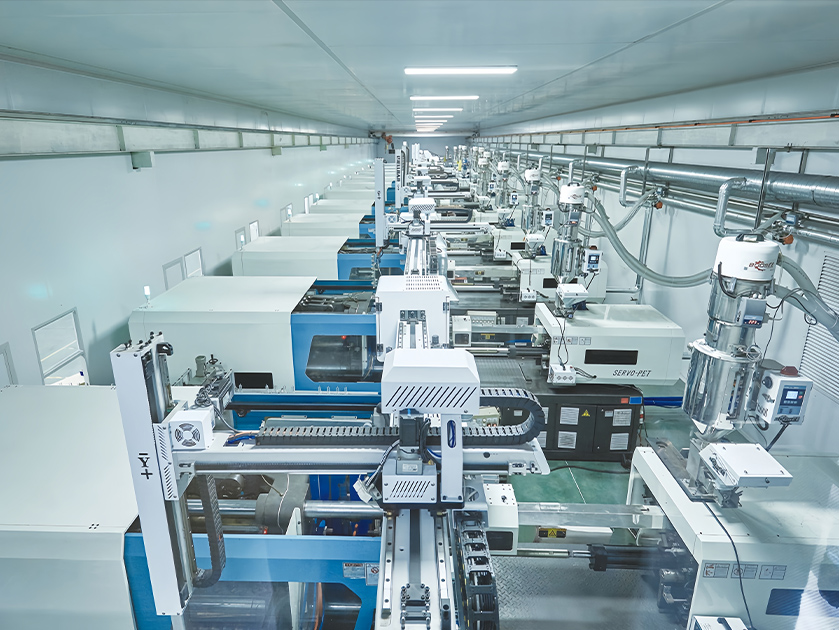
Our factory is situated in a well-connected industrial zone, enabling efficient distribution via convenient transportation networks. The spacious and well-organized facility features dedicated areas for raw material storage, production lines, quality control, packaging, and logistics operations.

We are equipped with state-of-the-art blow molding machines specifically engineered for PET cup and PET can production, enabling high-speed manufacturing without compromising precision or quality. Additionally, our factory houses injection molding machines for preform production, as well as advanced printing equipment to support custom branding needs.

Our dedicated quality control department is equipped with specialized testing equipment to ensure all PET cups and PET cans adhere to stringent quality standards. Key inspection items include wall thickness uniformity, dimensional accuracy, visual defect screening, and material integrity verification.
COPAK is committed to sustainable development and has implemented targeted initiatives to minimize energy consumption, reduce waste generation, and promote material recycling. These include the adoption of energy-efficient production processes, robust waste management systems, and the integration of recycled PET materials into our cup and can manufacturing.
Contact UsWe offer extensive customization options to meet the unique requirements of beverage brands and clients
Adhering to global food-grade packaging regulations and standards, our factory holds various authoritative certifications, including ISO 9001, FDA, CE, ROHS, and EU No. 10/2011. These certifications underscore our unwavering commitment to producing safe, high-quality beverage packaging products.
Contact us →
Our dedicated R&D team focuses continuously on product innovation and technological advancement. With professional expertise, the team specializes in developing innovative packaging solutions, optimizing production processes, and exploring sustainable materials and technologies to drive industry progress.
Contact us →
We have established a streamlined logistics system to ensure efficient product distribution. This encompasses well-managed warehousing, precise inventory control, and close coordination with trusted transportation partners, guaranteeing timely and reliable delivery to clients worldwide.
Contact us →
We specialize in creating tailored packaging solutions for organic kombucha brands, including custom shapes, sizes, capacities, mold development, and personalized printing that reflects your brand's unique identity and values.
Contact us →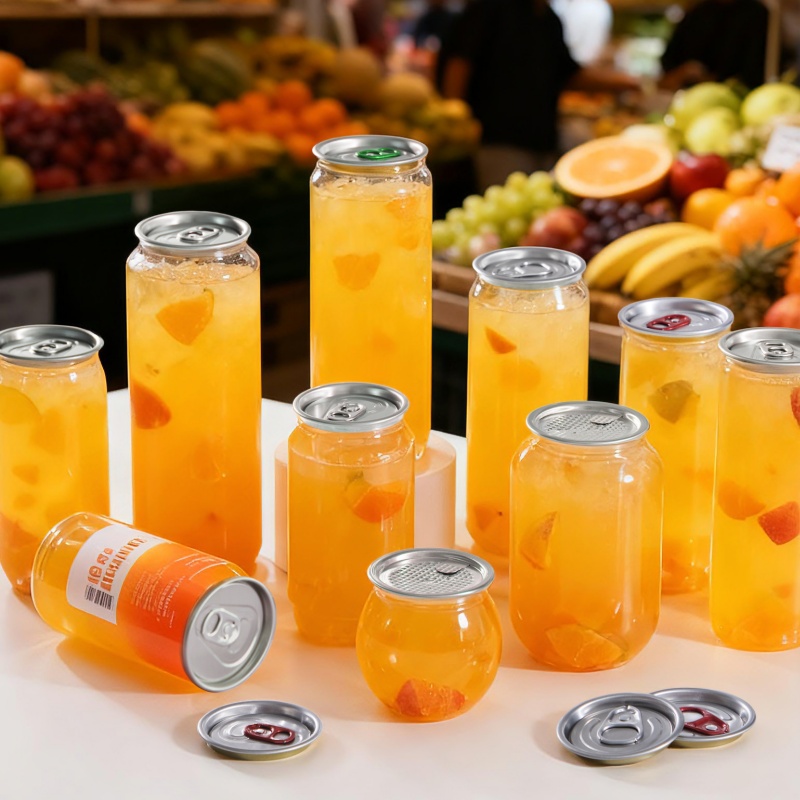
Why Choose Us?

Over 20 production lines for rapid order fulfillment

Fully automated, hands-free production equipment

100,000-class cleanroom workshop

Free samples available upon request

Free replacements for products with critical defects
Explore our full range of food-grade PET cans and accessories for kombucha and beverage applications
Having supplied PET cups and PET cans to numerous renowned brands, our products are now distributed globally. Partner with COPAK for a dependable, trustworthy collaboration and achieve mutual success through win-win cooperation. Contact us today to discuss your organic kombucha packaging needs.
INQUIRY NOW