Leave Your Message
The organic kombucha market has experienced exponential growth over the past decade, evolving from a niche health beverage into a mainstream wellness product. As consumer awareness of environmental sustainability intensifies, organic kombucha brands face increasing pressure to align their packaging choices with their eco-conscious brand values. Eco-friendly PET (Polyethylene Terephthalate) cans have emerged as the optimal solution, offering a perfect balance between sustainability, functionality, and brand presentation.
Traditional aluminum cans, while recyclable, present several challenges for kombucha brands. The acidic nature of kombucha can interact with aluminum, potentially affecting taste profiles and requiring additional internal coatings. Glass bottles, though premium, are heavy, fragile, and costly to transport. Eco-friendly PET cans address these limitations while providing superior performance characteristics specifically suited to fermented beverages.
PET cans offer unparalleled compatibility with kombucha's unique requirements. The material is completely inert, ensuring no flavor contamination or chemical leaching. The lightweight nature reduces transportation emissions by up to 40% compared to glass, while the shatter-resistant properties eliminate breakage losses during distribution. Most importantly, modern PET cans are manufactured using significant percentages of recycled content and are 100% recyclable, aligning perfectly with the sustainability ethos of organic kombucha brands.
The global kombucha market was valued at approximately $2.64 billion in 2023 and is projected to reach $7.05 billion by 2030, growing at a CAGR of 15.2%. This remarkable expansion is driving parallel growth in sustainable packaging solutions. Industry analysis reveals that over 67% of kombucha consumers actively consider packaging sustainability when making purchase decisions, making eco-friendly PET cans not just an environmental choice but a strategic business imperative.
Kombucha's live probiotic cultures and organic acids require packaging that maintains product integrity throughout its shelf life. Eco-friendly PET cans excel in this application through multiple technical advantages. The material provides excellent oxygen barrier properties when combined with modern coating technologies, protecting sensitive probiotics from oxidation. UV-resistant PET formulations prevent light degradation of beneficial compounds, while the hermetic seal maintains carbonation levels essential for kombucha's characteristic effervescence.
Advanced multi-layer PET structures incorporate oxygen scavengers and barrier coatings that extend kombucha shelf life to 12-18 months without refrigeration. This performance rivals glass while maintaining complete recyclability. The barrier properties are particularly crucial for organic kombucha brands that avoid artificial preservatives, relying instead on packaging to maintain product freshness.
Kombucha's natural carbonation, typically ranging from 2.5 to 3.5 volumes of CO2, demands packaging with robust pressure resistance. Eco-friendly PET cans are engineered to withstand internal pressures exceeding 90 PSI, providing a safety margin that prevents deformation or failure. This structural integrity ensures consistent product quality from production through consumption.
The environmental credentials of eco-friendly PET cans represent a compelling value proposition for organic kombucha brands committed to reducing their carbon footprint. Lifecycle assessments demonstrate that PET cans generate 60% lower greenhouse gas emissions compared to glass bottles and 25% lower than aluminum cans when transportation impacts are included. The lightweight nature of PET—approximately 90% lighter than glass—translates directly into reduced fuel consumption during distribution.
Modern eco-friendly PET cans incorporate 25-50% post-consumer recycled (PCR) content, with some premium formulations reaching 100% rPET construction. The material's infinite recyclability means that a single PET can could theoretically be recycled and remanufactured indefinitely without quality degradation. This closed-loop potential aligns perfectly with the circular economy principles embraced by leading organic kombucha brands.
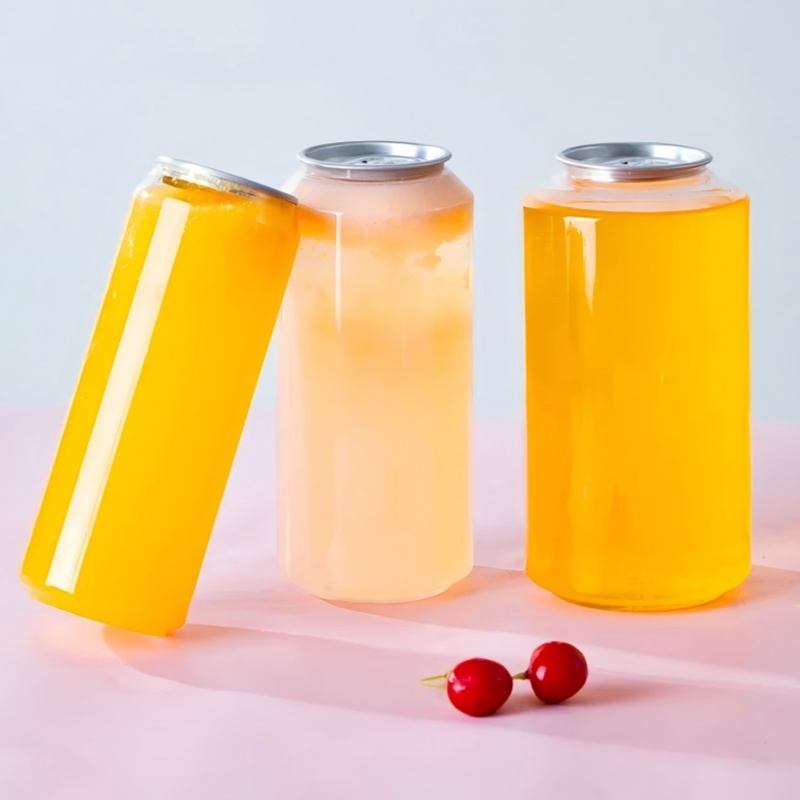
In the competitive organic beverage market, packaging serves as the primary consumer touchpoint and brand ambassador. Eco-friendly PET cans offer exceptional customization opportunities that enable kombucha brands to create distinctive shelf presence. The crystal-clear transparency of PET allows consumers to see the product's natural color and quality, building trust and authenticity—critical factors for organic brands.
Advanced printing technologies enable full-body shrink sleeve decoration, 360-degree graphics, and even tactile finishes that enhance perceived quality. Digital printing capabilities allow for cost-effective short runs, enabling limited editions, seasonal flavors, and regional variations without prohibitive setup costs. This flexibility is particularly valuable for craft kombucha producers testing new flavors or targeting niche markets.
Eco-friendly PET cans have revolutionized kombucha distribution across multiple retail formats. In natural food stores and health-focused supermarkets, the lightweight nature enables efficient shelf stocking and reduces employee injury risks associated with heavy glass cases. The shatter-proof properties eliminate breakage losses, which typically account for 3-5% of glass-packaged beverage inventory in retail environments.
Convenience stores and gas stations, increasingly important channels for kombucha distribution, benefit from PET cans' refrigeration efficiency. The material's superior thermal properties maintain product temperature longer than aluminum, reducing energy consumption in cooler cases. The stackable design maximizes limited shelf space, allowing retailers to offer broader flavor selections within existing footprints.
Restaurants, cafes, and wellness centers serving kombucha on-tap or by the glass increasingly prefer PET cans for back-of-house storage. The space-efficient design, combined with easy-open mechanisms, streamlines service operations. Resealable PET can formats enable portion control and reduced waste, addressing food service operators' cost management priorities while maintaining product freshness between servings.
The explosive growth of online kombucha sales has highlighted PET cans' shipping advantages. The lightweight, durable nature reduces shipping costs by 40-60% compared to glass, while virtually eliminating damage-related returns. For subscription-based kombucha brands, this cost efficiency directly impacts profitability and enables competitive pricing strategies.
Leading organic kombucha brands have achieved remarkable success through PET can adoption. One prominent brand reduced its packaging-related carbon emissions by 58% after transitioning from glass to eco-friendly PET cans while simultaneously improving profit margins through reduced breakage and shipping costs. Consumer response was overwhelmingly positive, with brand perception studies showing increased ratings for environmental responsibility and product innovation.
The production of eco-friendly PET cans for kombucha applications requires specialized manufacturing capabilities and rigorous quality control. Advanced blow molding technologies ensure consistent wall thickness distribution, critical for maintaining structural integrity under pressure. Automated inspection systems employ vision technology and pressure testing to verify that every can meets stringent quality specifications before shipment.
Cleanroom manufacturing environments, typically Class 100,000 or better, prevent contamination that could compromise kombucha's probiotic cultures. This controlled production environment is particularly important for organic brands that cannot rely on preservatives to mask quality defects. Material traceability systems ensure that all PET resin meets food-grade certifications and complies with FDA, EU, and international regulations governing food contact materials.
The eco-friendly PET can industry continues evolving to meet kombucha brands' emerging needs. Bio-based PET, manufactured from renewable feedstocks like sugarcane, is transitioning from pilot programs to commercial availability. These plant-derived materials offer identical performance to petroleum-based PET while reducing fossil fuel dependency and lowering carbon footprints by an additional 30-40%.
Smart packaging integration represents another frontier, with developments including temperature-sensitive inks that indicate proper storage conditions, QR codes linking to blockchain-verified sustainability credentials, and even embedded sensors monitoring product freshness. These technologies enable unprecedented transparency, allowing kombucha brands to communicate their quality and sustainability commitments directly to consumers through packaging.
For organic kombucha brands evaluating packaging transitions, the economic case for eco-friendly PET cans is compelling. While initial tooling investments for custom can designs range from $15,000 to $50,000 depending on complexity, the per-unit costs are highly competitive. At production volumes exceeding 100,000 units annually, PET cans typically cost 15-25% less than glass bottles when total landed costs including shipping and breakage are considered.
The lightweight nature delivers ongoing savings throughout the supply chain. Transportation costs decrease proportionally to weight reduction, while warehousing efficiency improves through higher stacking density. Retailers appreciate reduced labor costs for stocking and lower insurance premiums due to eliminated breakage risks. These cumulative advantages create a strong ROI, with most brands achieving payback on packaging transitions within 12-18 months.
Navigating the complex regulatory landscape for food contact materials is critical for kombucha brands operating in multiple markets. Eco-friendly PET cans manufactured to international standards comply with FDA regulations (21 CFR 177.1630), EU Regulation No. 10/2011, and equivalent standards in Asia-Pacific markets. Third-party certifications including BPA-free verification, food-grade compliance testing, and migration analysis provide documented assurance of safety and quality.
For organic kombucha brands, ensuring packaging materials don't compromise organic certification is paramount. Eco-friendly PET cans meet USDA organic packaging requirements, which mandate that packaging materials don't contain synthetic fungicides, preservatives, or fumigants. This compliance enables seamless integration into certified organic production systems without jeopardizing brand credentials.
Selecting the right eco-friendly PET can supplier represents a strategic decision with long-term implications for kombucha brands. Key evaluation criteria should include manufacturing capacity to support growth, technical expertise in beverage-specific applications, and demonstrated commitment to sustainability beyond marketing claims. Suppliers offering comprehensive services including design consultation, prototyping, custom printing, and logistics support provide maximum value.
Geographic considerations influence supplier selection, with proximity to manufacturing facilities reducing transportation emissions and costs while improving supply chain responsiveness. However, the most advanced PET can technologies and sustainable material options may require partnerships with specialized manufacturers, even if located further from production facilities. Balancing these factors requires careful analysis of total cost of ownership and strategic alignment with brand values.

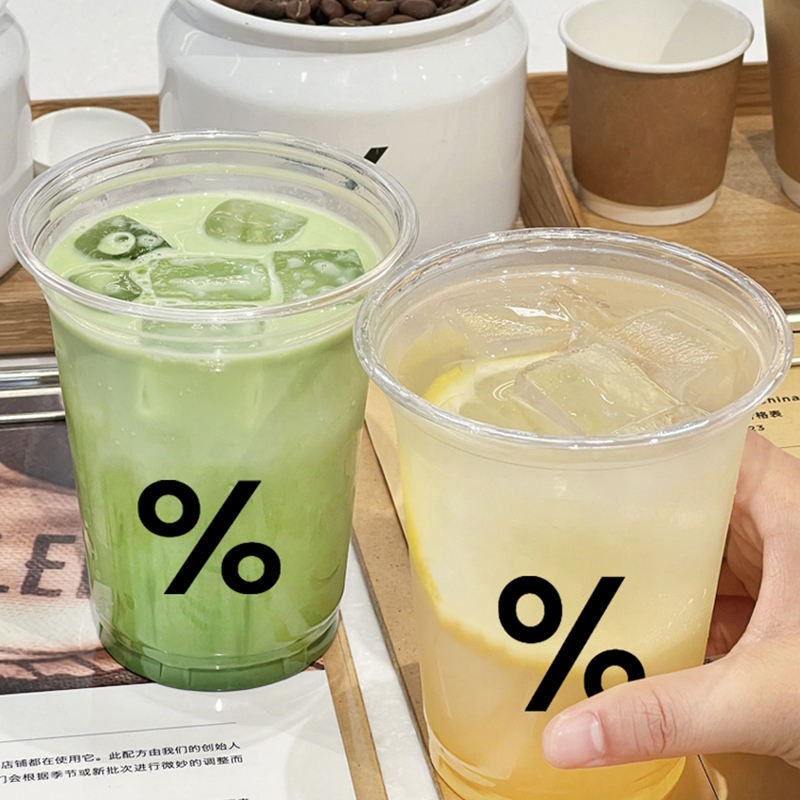
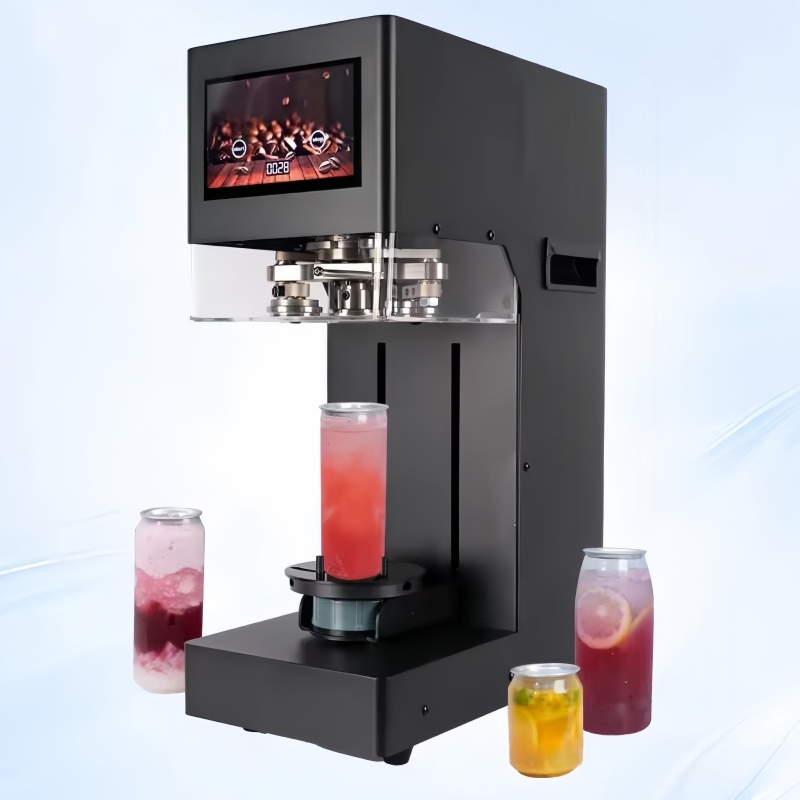
Established in 2021, Shanghai COPAK Industry Co., Ltd. maintains a sales office in Shanghai and an associated factory in Guangdong Province. As a professional supplier of eco-friendly food and beverage packaging solutions, our product portfolio includes PET cups, PET cans, and sealing machines, among other related items.
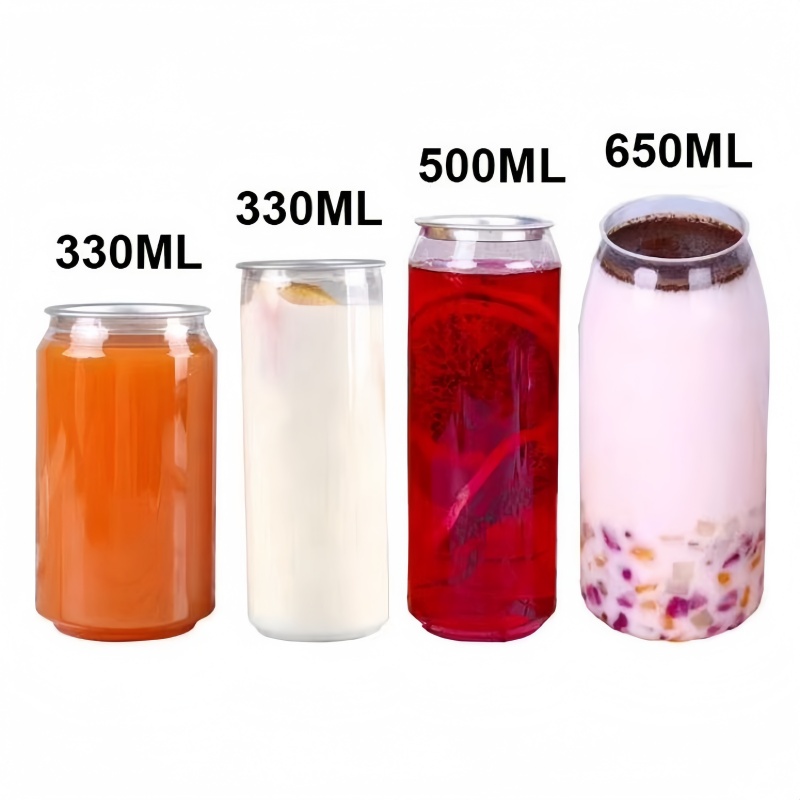
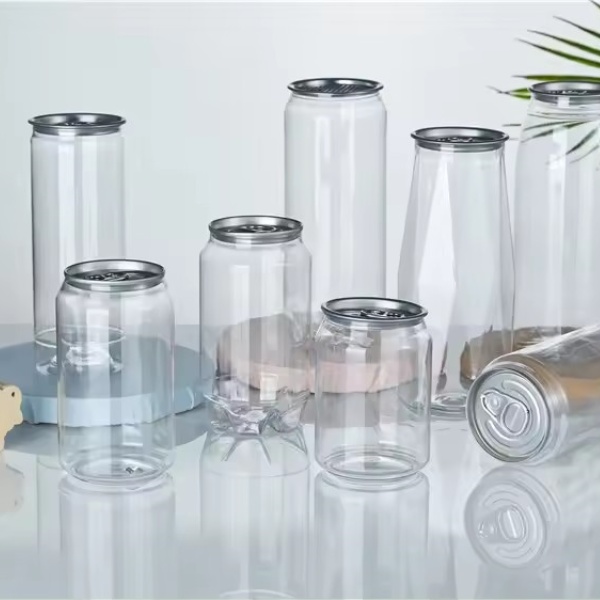
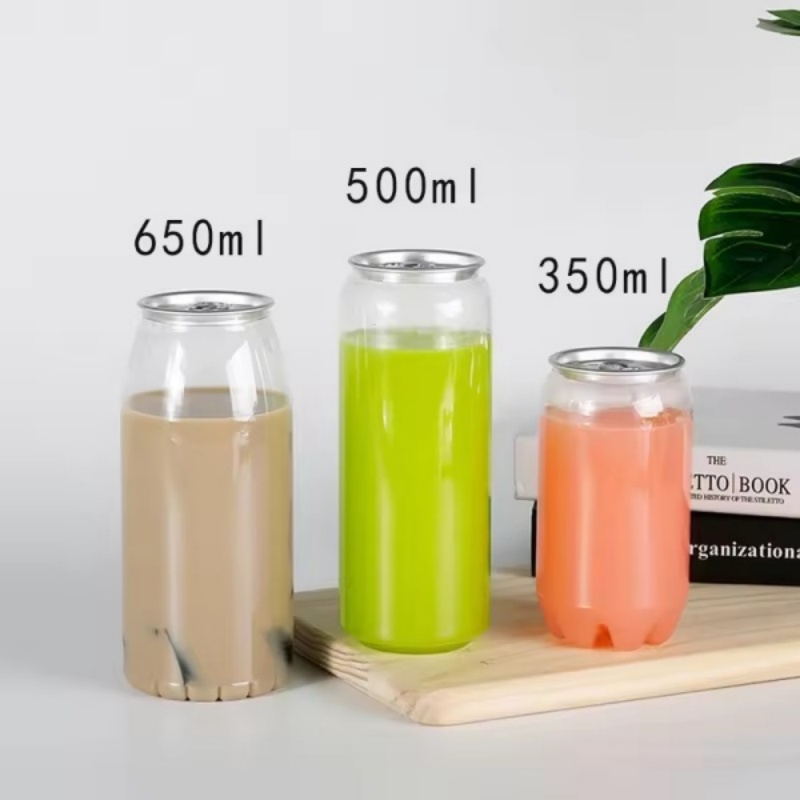
Committed to staying ahead of market trends through continuous innovation, COPAK delivers high-quality yet cost-effective packaging solutions. Our product range covers PET cups and cans in diverse shapes and capacities—from 1oz to 32oz—available in both plain finishes and custom printed designs. As a long-term strategic partner and trusted supplier, we dedicate ourselves to designing and manufacturing reliable, premium-quality, and stylish PET cups and cans for our clients.

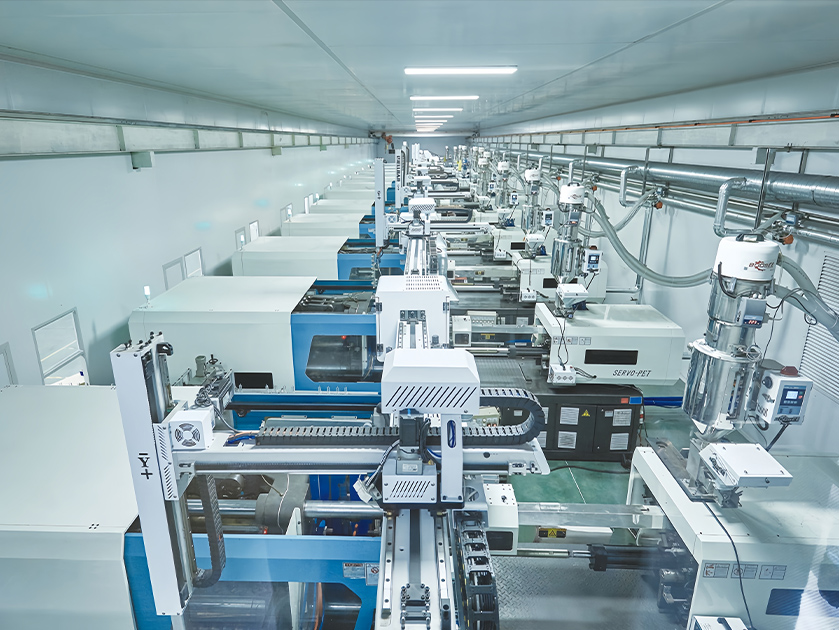
Our factory is situated in a well-connected industrial zone, enabling efficient distribution via convenient transportation networks. The spacious and well-organized facility features dedicated areas for raw material storage, production lines, quality control, packaging, and logistics operations.

We are equipped with state-of-the-art blow molding machines specifically engineered for PET cup and PET can production, enabling high-speed manufacturing without compromising precision or quality. Additionally, our factory houses injection molding machines for preform production, as well as advanced printing equipment to support custom branding needs.

Our dedicated quality control department is equipped with specialized testing equipment to ensure all PET cups and PET cans adhere to stringent quality standards. Key inspection items include wall thickness uniformity, dimensional accuracy, visual defect screening, and material integrity verification.
COPAK is committed to sustainable development and has implemented targeted initiatives to minimize energy consumption, reduce waste generation, and promote material recycling. These include the adoption of energy-efficient production processes, robust waste management systems, and the integration of recycled PET materials into our cup and can manufacturing.
Contact UsAdhering to global food-grade packaging regulations and standards, our factory holds various authoritative certifications, including ISO 9001, FDA, CE, ROHS, and EU No. 10/2011. These certifications underscore our unwavering commitment to producing safe, high-quality beverage packaging products.

Our dedicated R&D team focuses continuously on product innovation and technological advancement. With professional expertise, the team specializes in developing innovative packaging solutions, optimizing production processes, and exploring sustainable materials and technologies to drive industry progress.

We have established a streamlined logistics system to ensure efficient product distribution. This encompasses well-managed warehousing, precise inventory control, and close coordination with trusted transportation partners, guaranteeing timely and reliable delivery to clients worldwide.


Over 20 production lines for rapid order fulfillment

Fully automated, hands-free production equipment

100,000-class cleanroom workshop

Free samples available upon request

Free replacements for products with critical defects
Having supplied PET cup and PET cans to numerous renowned brands, our products are now distributed globally. Partner with COPAK for a dependable, trustworthy collaboration and achieve mutual success through win-win cooperation.
Discover how eco-friendly PET cans can elevate your organic kombucha brand while reducing environmental impact. Contact COPAK today for customized solutions tailored to your specific requirements.
Get Started Now