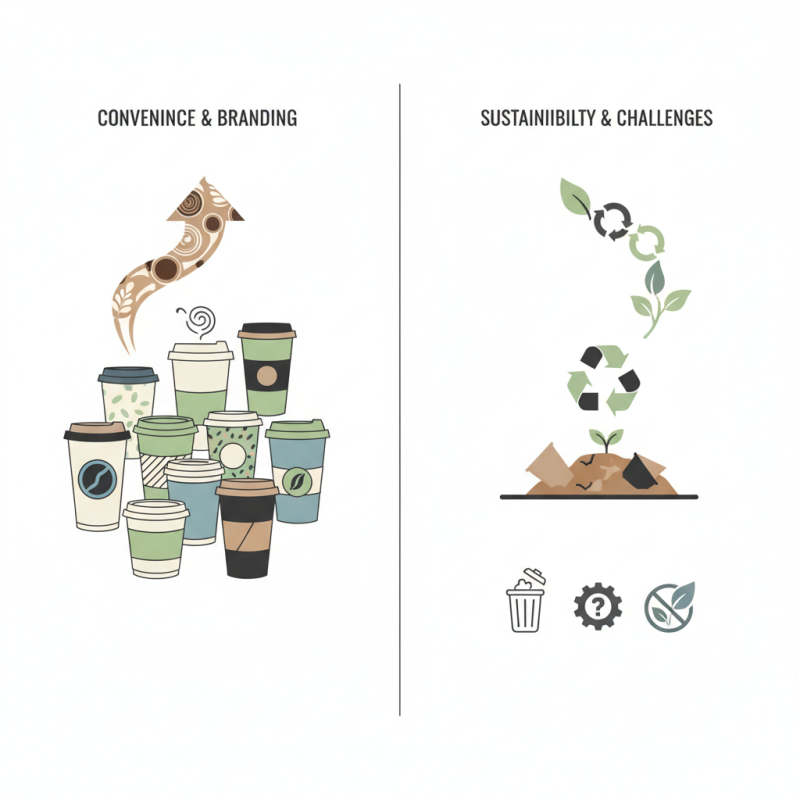
Lately, it feels like takeaway cups have become pretty much part of our everyday routine. You know, just part of the hustle — grabbing coffee on the go or that quick tea break. This shift kinda shows how we're all leaning towards convenience, but also care more about sustainability in how we do things. I read an interesting quote from Sarah Thompson, who’s a sustainability guru at EcoCup Innovations—she said, "Takeaway cups aren’t just for holding drinks; they kinda reflect a lifestyle choice." Honestly, that stuck with me. It really shows how these cups aren’t just containers; they tie right into our habits and beliefs.
But honestly, there’s more to these cups than just their practical use. They’re a pretty big billboard for brands, you know? Cafés and burger joints, they really use takeaway cups to show off their vibe and attract customers. Still, the bad side of all this is the plastic waste. Millions of these cups end up in landfills each year, which is pretty worrying for the environment.
There’s some good news though—people are working on better materials, like ones that break down in compost. That’s a step forward. But, honestly, we’ve still got a long way to go in terms of recycling and making people really aware of what happens after *that* cup gets tossed. As we keep moving with this trend, it’s super important to think about what happens to these cups after we’re done with them. Finding that sweet spot between convenience and caring for our planet is definitely something we need to work on.
What Are Takeaway Cups?
Takeaway cups are crucial in today's fast-paced world. These containers serve beverages for people on the go. According to industry reports, the global takeaway cup market was valued at over $11 billion in 2023 and is expected to grow significantly. This highlights the demand for convenient coffee and tea solutions.
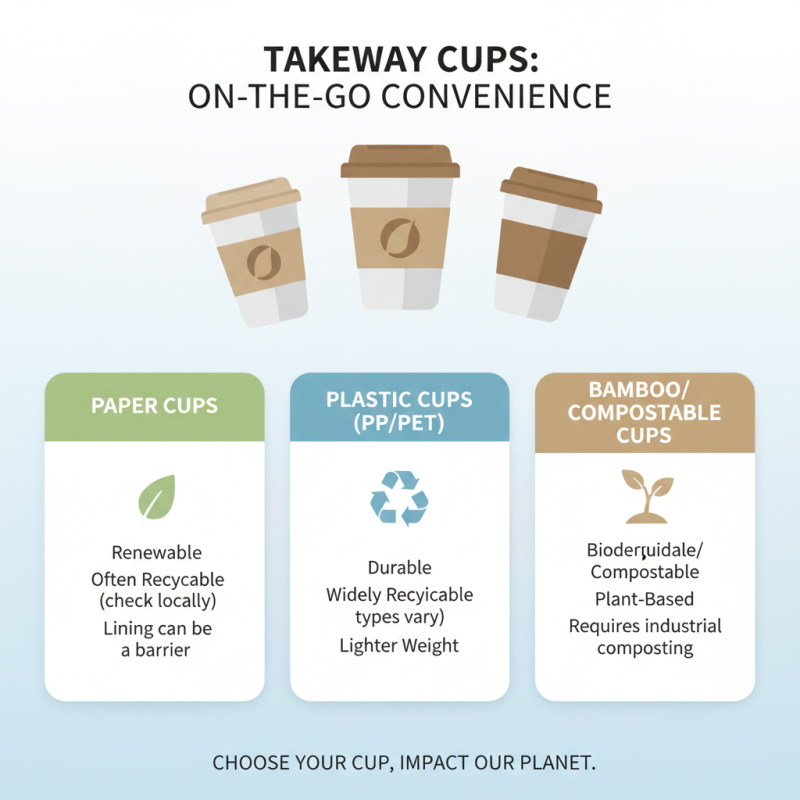
Takeaway cups come in various materials, including paper, plastic, and biodegradable options. Consumers prefer eco-friendly alternatives. Data shows that more than 60% of customers consider sustainability when choosing takeaway options. However, not all takeaway cups meet these expectations. Some still use materials that do not decompose well, creating environmental concerns.
The choice of takeaway cups impacts waste management. In many urban areas, disposable cups contribute significantly to landfill waste. Research indicates that billions of single-use cups end up in landfills each year. While the innovation in materials is improving, it often lags behind consumer demand for truly sustainable products. This disconnect prompts a reflection on how businesses can better meet both consumer expectations and environmental responsibilities.
Takeaway Cups Usage Statistics
The Evolution of Takeaway Cups Over the Years
Takeaway cups have undergone significant changes since their inception. Originally crafted from paper, these cups evolved to meet consumer demands for convenience and sustainability. According to a recent industry report, the global market for takeaway cups is expected to grow by over 6% annually. This growth reflects the increasing preference for on-the-go beverages.
In recent years, there has been a strong push toward eco-friendly materials. Many businesses are now opting for biodegradable options, such as PLA or plant-based resins. Interestingly, while plastic cups were once the norm, public awareness around pollution has shifted the focus to alternatives like
Pet Cups. These cups offer durability and are recyclable, addressing some environmental concerns. However, not all takeaway cups are created equal, and this inconsistency raises questions about their environmental impact.
Despite these advancements, there remains a significant challenge. Many takeaway cups still end up in landfills rather than being properly recycled. This underscores the importance of consumer education and responsible disposal. As the industry strives for improvement, it’s clear that both manufacturers and consumers play vital roles in shaping the evolution of takeaway cups.
Materials Used in Takeaway Cup Production
Takeaway cups play a vital role in our daily routines. They are convenient for those on the go. These cups come in various materials, each influencing sustainability and performance.
Most takeaway cups are made from paper, plastic, or foam. Paper cups, often lined with a plastic coating, are popular. They are biodegradable but may contribute to waste if not properly recycled. Plastic cups, particularly Cold Cups, are lightweight. However, they can take years to decompose. Foam cups are insulating but problematic for the environment. Many people still overlook this aspect.
The choice of material impacts the taste of the beverage too. Paper cups can absorb flavors, while plastics may alter the drink’s temperature. These details matter. We should reflect on our choices and their effects. Every cup used tells a story about convenience and the environment.
Environmental Impact of Takeaway Cups
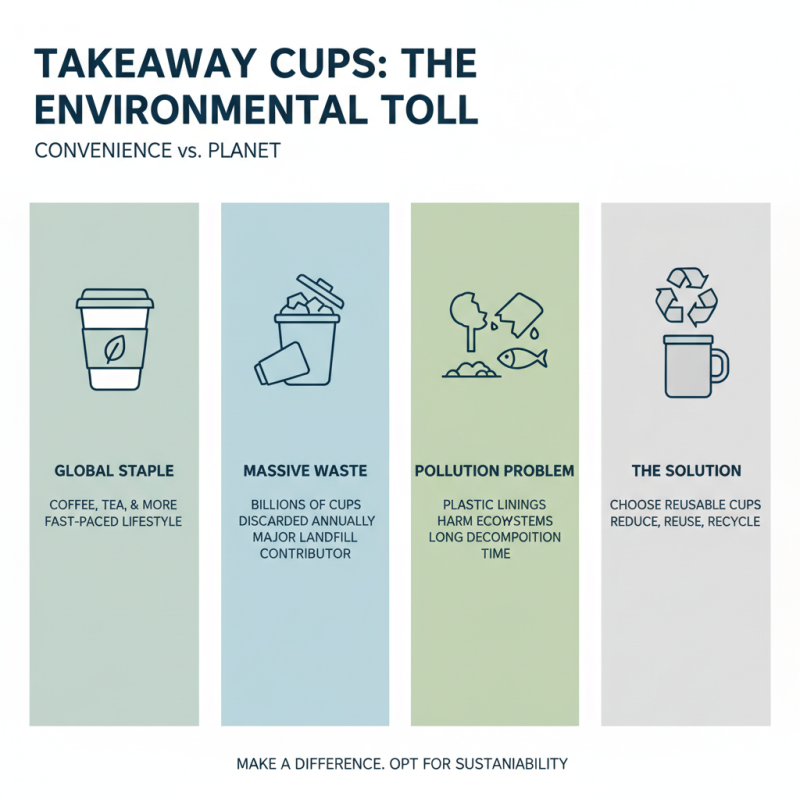
Takeaway cups have become a staple in our fast-paced world. People rely on them for coffee, tea, and other beverages. Many appreciate their convenience. However, the environmental impact of these cups cannot be ignored. When discarded, To-Go Cups contribute significantly to landfills.
A large percentage of takeaway cups are made from plastics and foam. These materials are not biodegradable. They can take hundreds of years to decompose. Each year, billions of these cups end up in trash heaps, creating pollution. Moreover, they often endanger wildlife that mistake them for food.
Recycling options exist, but they are limited. Many recycling facilities do not accept To-Go Cups due to their plastic lining. This raises questions about our consumption habits and waste management practices. As consumers, we must reflect on how we can reduce our reliance on single-use items. Sustainable alternatives do exist, yet they are not widely adopted. Change is necessary for a healthier planet.
Convenience and Consumer Preferences
Takeaway cups play a significant role in our fast-paced society. With increasing consumer demand for convenience, these cups have become ubiquitous in coffee shops and eateries. A recent industry report indicates that 75% of consumers prefer takeaway options for their beverages. The ease of grabbing a drink on the go aligns perfectly with today’s busy lifestyles.
However, convenience comes with trade-offs. Many of these cups are single-use, contributing to the global waste crisis. Research shows that over 300 billion cups are used annually worldwide, with less than 1% being recycled effectively. This raises important questions about sustainable practices in the industry. Consumers express concern, with 58% stating they would choose reusable options if they were more accessible.
The desire for convenience often overshadows environmental impact, but change is possible. Restaurants and cafes can promote reusable alternatives. Engaging the consumer mind about sustainability can shift preferences. Making reusable cups fashionable or providing incentives can inspire positive change. The journey to balance convenience and responsibility is ongoing, inviting reflection and action from both businesses and customers alike.
Innovations in Sustainable Takeaway Cup Design
Takeaway cups are essential in our fast-paced world. Their design is evolving to become more sustainable. Innovations focus on reducing environmental impact. According to a recent industry report, disposable cups account for about 2.5 billion items annually in some countries alone. This staggering number highlights the need for better solutions.
Many companies are exploring compostable materials. These products break down naturally and do not contribute to landfill waste. Materials like bamboo fiber and bioplastics are gaining popularity. However, the performance of these new materials must improve. Are they sturdy enough? Can they handle hot liquids without leaking? These questions are crucial for widespread adoption.
Tips: Always choose cups that highlight their eco-friendly credentials. Look for certifications to ensure authentic sustainability. Educating consumers on proper disposal options can also enhance the impact. Moreover, while many designs aim to be innovative, some lack durability, leading to waste. This situation prompts manufacturers to rethink their approaches and materials. The balance between function and sustainability is still a work in progress.
The Future of Takeaway Cups in a Changing Market
Takeaway cups are a crucial part of our daily rituals. With the rise of coffee culture, these cups have become indispensable. However, the market is shifting. Consumers demand sustainable options. Many takeaway cups contribute to waste. This leads to environmental concerns that can't be ignored.
In the face of changing preferences, companies are exploring new materials. Biodegradable and recyclable options are gaining traction. But not all options are perfect. Some claim to be eco-friendly yet still have impacts. Educating consumers about these options is vital. There’s a need for transparency in how these cups are made and disposed of.
The future of takeaway cups may also include technological advancements. Smart cups that track usage could emerge. Or cups that turn into plants when disposed of. However, these ideas are still in nascent stages. It's clear that the industry must innovate. Sustainability should be at the forefront of every new design. The path ahead is uncertain, but one thing is clear: change is necessary.
Maximize Convenience and Sustainability: Choosing 24oz Disposable PET Cups for Your Events
When planning an event, convenience and sustainability must go hand in hand. Choosing 24oz disposable PET cups is an excellent way to achieve both goals effectively. These cups are designed for versatility, making them perfect for a variety of occasions—be it a casual gathering, a formal event, or a large outdoor festival. Their robust design allows for both hot and cold beverages, catering to the diverse preferences of your guests without compromising on quality.
In addition to their practicality, 24oz disposable PET cups are made from recyclable materials, aligning with the increasing demand for eco-friendly products in today’s event planning landscape. By opting for these cups, you demonstrate a commitment to sustainability and environmental responsibility. As guests enjoy their drinks, they can feel good knowing that the cups they are using can be recycled, reducing waste and minimizing your event’s ecological footprint. Therefore, integrating 24oz disposable PET cups into your event not only enhances the experience for your attendees but also reflects a modern approach to responsible hosting.
FAQS
: The content aims to inform and guide users on specific topics.
Regular reading and practice can enhance your knowledge.
Yes, there can be misunderstandings if the information is misapplied.
Take time to reflect and seek clarification.
It’s important to verify details before making conclusions.
The content is designed for general readers but may not suit everyone.
The updates occur periodically, but lingering doubts may arise.
Contacting the source for corrections is always a good move.
Sharing is generally fine, but consider the accuracy first.
Consider practical examples and personal experiences to connect better.
Conclusion
Takeaway cups are essential vessels that have evolved significantly over the years to cater to the growing demand for convenience in food and beverage consumption. Initially designed for practicality, these cups are now crafted from various materials, ranging from traditional paper to biodegradable options, reflecting a shift towards sustainability. As consumer preferences have changed, the environmental impact of takeaway cups has come under scrutiny, prompting innovations in design that prioritize eco-friendliness without compromising user experience.
The future of takeaway cups appears promising, as businesses and manufacturers are increasingly focusing on sustainable practices to reduce waste and enhance consumer satisfaction. Emerging technologies and creative designs aim to minimize environmental footprints while maintaining convenience, ensuring that takeaway cups continue to meet the needs of modern consumers in an ever-evolving market.