In the fast-changing world of packaging solutions, it’s pretty clear that the demand for high-quality plastic cans has really shot up lately. I read a recent report from Smith & Associates, and it looks like the global plastic can market is set to grow about 5% each year all the way through 2025. That’s a pretty solid sign that more companies are shifting towards sustainable sourcing and greener manufacturing methods. Experts keep stressing how important it is to choose reputable OEM manufacturers in this space—it really makes a difference.
John Matthews, a well-known figure in the plastic packaging scene, puts it simply: ‘Quality in production directly influences the performance of the Plastic Can.’ His words remind us just how critical it is to stick to good standards when it comes to manufacturing. Firms like Worldwide Plastics and CanTech Industries have really raised the bar, setting standards that others aspire to meet.
That said, it’s not all smooth sailing. The industry’s got its hurdles—things like maintaining consistent material quality and addressing ecological concerns are pretty big deals right now. As manufacturers keep pushing to improve, the focus on making Plastic Cans that are efficient, durable, and eco-friendly still remains more important than ever. Finding that balance between innovation and responsibility? That’s key to thriving long-term in this competitive market.

The OEM Plastic Can manufacturing industry is evolving rapidly. Companies are focusing on quality and efficiency. As the demand for sustainable packaging rises, manufacturers are adapting. This shift includes using eco-friendly materials in plastic can production.
In this competitive landscape, not all manufacturers are equal. Some may cut corners to reduce costs. This can impact the durability and safety of plastic cans. It is crucial for businesses to conduct thorough research before choosing a manufacturer. Testing samples can also reveal potential issues early.
Tips: Consider the manufacturer’s track record. Look for reviews and case studies. A reliable partner should be transparent about their processes. Regular communication helps identify problems early. Staying informed about industry trends is key to making better decisions. A proactive approach ensures you choose the right plastic can solutions for your needs.
| Country | Number of Manufacturers | Annual Production Capacity (Million Units) | Export Percentage (%) | Main Applications |
|---|---|---|---|---|
| United States | 120 | 2000 | 30 | Food & Beverage, Chemicals |
| Germany | 85 | 1500 | 45 | Pharmaceutical, Cosmetics |
| China | 300 | 5000 | 20 | Industrial, Agrochemical |
| India | 200 | 2500 | 15 | Food, Dairy Products |
| Brazil | 60 | 1000 | 25 | Personal Care, Automotive |
When choosing high-quality OEM plastic can manufacturers, several key factors come into play. First, consider the materials used in production. High-grade plastics resist wear and tear, ensuring durability. You want cans that can handle various contents without compromise.
Another crucial element is the manufacturing process. Look for manufacturers that utilize up-to-date technology. An efficient process guarantees consistent quality. Yet, many overlook the importance of quality control systems in place. Make sure they test their products thoroughly.
**Tips:** Always request samples. This lets you inspect the can’s weight and strength. Compare different manufacturers before making a decision. Seek out those with positive customer feedback. It's not just about cost; value matters too.
Additionally, consider the manufacturer's ability to customize cans. Tailored designs add unique value. But be cautious; sometimes customization can lead to unexpected costs. Reflect on what you truly need versus what is offered. Finding the right balance is key.
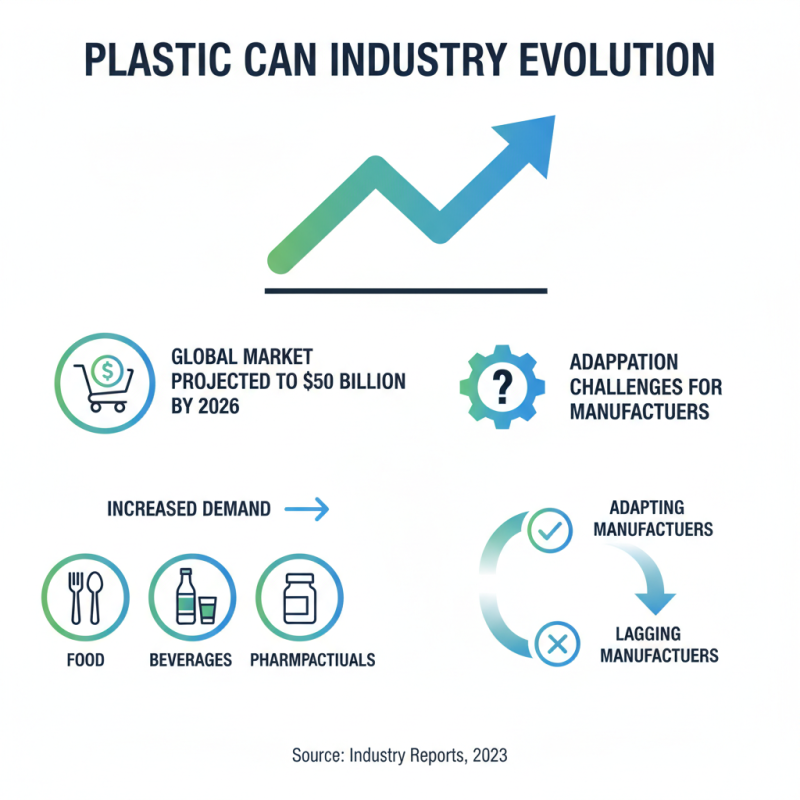
The plastic can industry is rapidly evolving, with significant growth in various markets. According to recent reports, the global plastic container market is projected to reach $50 billion by 2026. This growth reflects increased demand across sectors like food, beverages, and pharmaceuticals. However, not all manufacturers adapt equally to market trends.
A notable trend is the rising popularity of Rpet Plastic Cans. These cans are made from recycled materials, promoting sustainability. The use of recycled PET can reduce carbon footprints significantly. However, not every company has invested in this technology. Some still rely on traditional materials, which may lead to inefficiencies and missed opportunities in eco-conscious markets.
In addition, consumers are increasingly prioritizing sustainability. Reports indicate that 75% of consumers prefer brands that use eco-friendly packaging. Yet, some manufacturers struggle to keep pace with these demands. Their failure to innovate could result in losing market share. It's clear that while the potential for growth exists, manufacturers must address these challenges to thrive in a competitive environment.
Quality standards play a critical role in the production of OEM plastic cans. Manufacturers often rely on various certifications to ensure their products meet industry expectations. For instance, ISO 9001 is a widely recognized certification that focuses on quality management systems. According to recent industry reports, nearly 70% of leading manufacturers possess this certification, showcasing their commitment to quality and consistency.
In addition, compliance with FDA standards is essential for plastic cans intended for food and beverage packaging. These standards ensure that materials are safe and suitable for direct food contact. Reports indicate that about 60% of manufacturers actively seek FDA approval for their products. This pursuit of safety reflects the industry's dedication to consumer health, though it also highlights areas needing improvement.
Improving operational efficiency and reducing waste are ongoing challenges for manufacturers. Many companies still struggle with maintaining consistent quality across production batches. Studies suggest that about 40% of plastic can defects arise from inadequate quality control practices. Implementing stricter quality checks could be beneficial. Ultimately, the industry must continuously adapt and enhance its standards to meet evolving market demands.
Innovations in plastic can manufacturing are transforming the industry. Advanced techniques are streamlining production and enhancing quality. For instance, the use of 3D printing allows for rapid prototyping. This significantly reduces the time taken to develop new designs. Moreover, manufacturers are increasingly adopting sustainable materials. This shift addresses the growing environmental concerns. However, many companies still struggle with recycling processes.
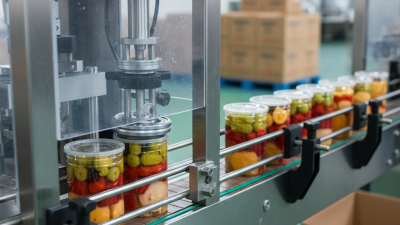
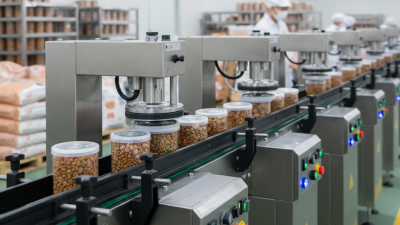
Technology trends play a crucial role in efficiency. Automation is becoming standard in factories. Robotic arms handle tasks like molding and assembling. This minimizes human error and speeds up the workflow. Yet, the initial investment can be daunting for some manufacturers. Some may question whether the return justifies the costs.
When it comes to specific products, the "Pet Plastic Juice Can" exemplifies these trends. Its design has evolved to meet consumer preferences while ensuring safety. Innovations in barrier materials keep juice fresh. However, many still wonder if the industry can fully embrace biodegradable options. There is room for improvement in finding alternatives that balance cost and sustainability. The journey is ongoing, with challenges and successes shaping the future of plastic can manufacturing.
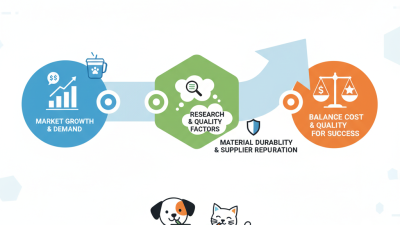
In the quest for top-quality OEM plastic can manufacturers, cost and quality are paramount. Recent market analysis reveals that manufacturers with high-quality standards often charge a premium. According to a 2022 industry report, the average cost per unit for high-end plastic cans is about 20% higher than that of mid-tier manufacturers. Buyers need to weigh this cost against durability and performance. High-quality cans generally offer better resistance to environmental factors, reducing spoilage in packaging.
One key finding highlights that 30% of companies sacrifice quality for lower prices. This can lead to unsatisfactory product performance, impacting brand reputation. A survey indicated that 42% of businesses experienced complaints about inferior packaging. On the flip side, some manufacturers with strong quality control might incur higher operational costs, which they pass on to the customer. The challenge lies in identifying those who maintain high standards without excessive pricing.
While seeking value, it's essential to analyze specific needs. The market is diverse, comprising budget-friendly options that may compromise on features. Long-term impacts often go unnoticed, like customer dissatisfaction or increased waste. Therefore, businesses must engage in thorough research and comparative analysis before making decisions. The balance between cost and quality isn't straightforward but crucial for sustainable operations.
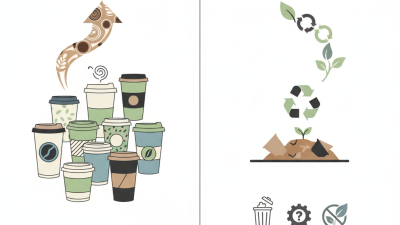
The plastic can manufacturing industry is evolving. Sustainability has become a priority. Many manufacturers are adopting eco-friendly practices. Reducing waste and promoting recycling are essential steps. Using Rpet Plastic Soda Can materials is one way manufacturers are addressing this challenge. These materials help divert plastic waste from landfills.
Tips for manufacturers include investing in advanced recycling technologies. Implementing these strategies can greatly improve sustainability. Another important practice is utilizing renewable energy sources. This shift reduces reliance on fossil fuels and minimizes carbon footprints. It’s striking how small changes can yield significant results. Yet, we often overlook these opportunities.
However, the road to sustainability is not without hurdles. Some manufacturers struggle with the initial costs of sustainable practices. Balancing cost and eco-friendliness can be challenging. Finding affordable solutions requires creativity. Companies need to rethink their production methods and supply chains. Through these reflections, the industry can thrive while respecting our planet.
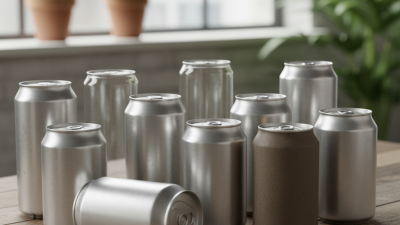
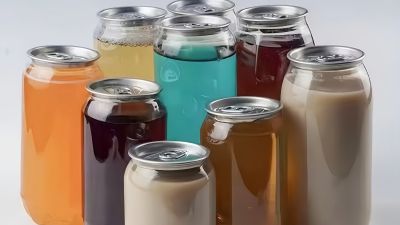
Clear soda cans with pop top lids are revolutionizing the beverage market, offering a refreshing blend of convenience and aesthetic appeal. These innovative containers not only allow consumers to easily see the contents inside but also deliver a modern twist on traditional beverage packaging. The clarity of the cans highlights the vibrant colors of the drinks, captivating consumers and making them more excited to enjoy their favorite beverages.
The practical benefits of these clear soda cans are equally impressive. The pop top lid design ensures ease of access, allowing quick opening without the fuss of additional tools. This design caters perfectly to those on the go, whether at picnics, sporting events, or simply relaxing at home. Furthermore, the transparency of the can helps consumers make informed choices, as they can visually gauge the quantity and quality of the drink before purchasing. The combination of accessibility and visibility makes clear soda cans an attractive option for beverage enthusiasts looking for a refreshing experience.
: Check multiple stores or websites. Some items may be out of stock or temporarily unavailable.
Use user reviews to guide your choices. Often, experiences differ widely among customers.
Not always. Compare prices before buying. It may surprise you to find better deals elsewhere.
Delays can happen due to high demand or shipping issues. It's frustrating, but it happens often.
Most places allow returns. However, check specific policies; they can vary significantly.
Sometimes, yes. But check quickly. Many companies process orders immediately, leaving little time for changes.
Many retailers provide tracking numbers via email. If you don't receive one, contact customer service.
Notify customer service right away. It’s an inconvenience that should be addressed quickly.
Be aware of potential shipping and handling charges. Always read the fine print before finalizing your order.
Not necessarily. Timing is crucial. Check the cancellation policy for specifics.
The OEM plastic can manufacturing industry plays a crucial role in providing versatile and durable packaging solutions across various markets. When selecting high-quality manufacturers, it's essential to consider key factors such as production capabilities, material quality, and customer service. This industry is notable for its adherence to quality standards and certifications, ensuring that plastic cans meet safety and performance requirements.
Recent innovations and technology trends are driving improvements in the manufacturing process, focusing on enhancing efficiency and sustainability. A comparative analysis of leading manufacturers reveals the delicate balance between cost and quality, with many companies implementing sustainable practices to minimize environmental impact. As the demand for plastic cans continues to grow, these factors will significantly influence market dynamics and manufacturers' competitiveness in the industry.