Leave Your Message
0%

As more and more people get really serious about sustainable packaging, the Pet Jar industry is changing pretty quickly. You know, a recent report from Smithers Pira says that worldwide demand for eco-friendly packaging is expected to hit around $400 billion by 2025. That’s a huge shift, and it honestly means that businesses can’t just ignore what's happening anymore—they’ve gotta adapt to what eco-conscious consumers want. Dr. Angela Green, who’s pretty well-known in the Pet Jar scene, puts it pretty plainly: "Sustainability in packaging isn’t just a passing trend; it’s a must for the future."
2026 Top Pet Jar Trends for Eco Friendly Packaging?

2026 Overview of Pet Jar Industry and Eco-Friendly Standards

As we approach 2026, the Pet Jar industry is seeing significant changes. More companies are focusing on eco-friendly packaging solutions. These shifts are driven by growing consumer awareness regarding sustainability. Many are seeking materials that minimize environmental impact.

Innovations in biodegradable materials are emerging. Some companies are exploring plant-based polymers. These materials provide a viable alternative to traditional plastic. However, challenges remain. The production processes can be more costly. Not all biodegradable options hold up as well in varying environments. There's a need for continued research to overcome these obstacles.

In addition, consumer education is crucial. Many people are still unfamiliar with eco-friendly standards. Brands must engage customers about the benefits of sustainable packaging. This dialogue can help shift perceptions of Jar Pet products. There’s a fine line between marketing and misleading claims. Transparency will be key in building trust as these trends evolve. Addressing these issues requires open discussions within the industry and among consumers.

Key Materials Driving Eco-Friendly Pet Jar Innovations

The eco-friendly pet jar market is witnessing remarkable innovation. Key materials driving these changes include recycled PET (rPET), bioplastics, and glass composites. Recent reports indicate that rPET usage in packaging is projected to grow significantly. By 2025, the rPET market could reach approximately $7 billion. This growth comes from increasing consumer demand for sustainable packaging options.

Bioplastics are gaining traction too. A recent study notes that bioplastics could make up 30% of the plastic market by 2030. They are derived from renewable resources, offering a smaller carbon footprint than traditional plastics. Glass composites are also on the rise. These materials combine the durability of glass with the lightweight benefits of plastics. This trend shows promise for reducing transportation emissions.

Tips: Always consider your local recycling capabilities. Materials like rPET depend on effective recycling systems in place. Choose suppliers that prioritize sustainability in their practices. Engaging with eco-friendly materials requires ongoing research. Not all sustainable options are perfect yet. Some bioplastics may not be compostable in standard conditions. Balance is essential as we navigate these developments. Keep questioning which materials are truly sustainable.

2026 Top Pet Jar Trends for Eco-Friendly Packaging

The Rise of Biodegradable and Compostable Pet Jar Options

2026 Top Pet Jar Trends for Eco Friendly Packaging?

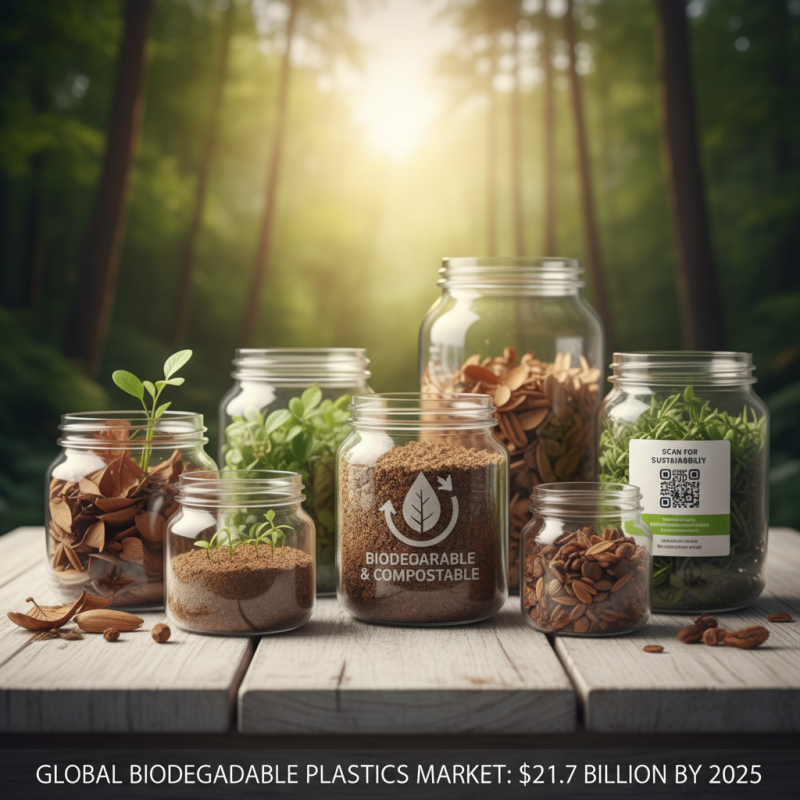
The shift toward biodegradable and compostable PET jar options is reshaping the packaging industry. Recent reports show that the global biodegradable plastics market is expected to reach USD 21.7 billion by 2025. This increase emphasizes the growing consumer demand for sustainable packaging solutions. Many consumers now prefer products that minimize environmental impact, propelling brands to innovate in this area.

These new PET jar options often utilize materials derived from renewable resources. For instance, PLA (polylactic acid) and PHA (polyhydroxyalkanoates) stand out as popular alternatives. Despite their eco-friendliness, challenges exist. The production costs for these biodegradable materials remain higher than traditional plastic. Moreover, consumer awareness about proper disposal methods is still lacking.

Another vital point is the performance of biodegradable jars. They may not always provide the same durability and shelf life as conventional PET jars. For example, in certain conditions, biodegradable jars can degrade faster than expected. This degradation poses potential risks for products that require long-term storage. The struggle between sustainability and functionality continues, encouraging ongoing research to enhance these materials.

Design Trends Supporting Sustainability in Pet Jar Packaging

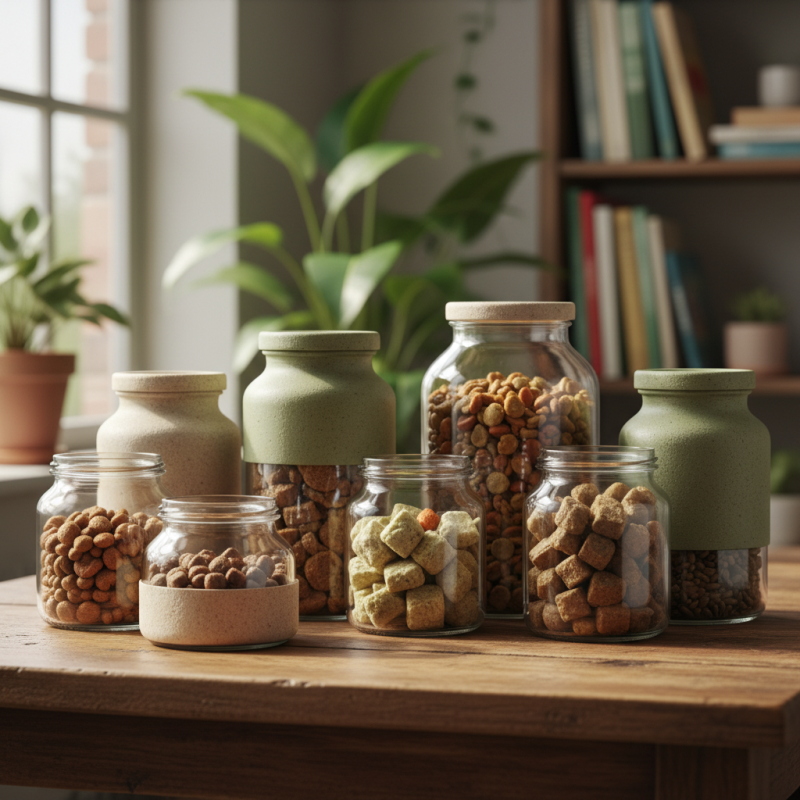
In recent years, sustainability has taken center stage in packaging design. Pet jars are evolving to support eco-friendly practices in various ways. Biodegradable materials are becoming more common. These materials break down naturally over time, reducing landfill waste. Many manufacturers explore plant-based options, which can significantly lower carbon footprints.

Another trend is the use of minimalistic designs. Simple shapes and colors reduce ink usage and waste. Clear labeling ensures that customers can easily identify the contents. This clarity helps support recycling efforts. However, some designs still fall short. It's crucial to balance aesthetics with functionality, ensuring that jars protect their contents without excess material.

Recyclability is also a key focus. Many organizations push for improved recycling systems. Yet, not all regions have effective recycling programs. Consumers often struggle with what is recyclable. This confusion can hinder sustainability efforts. Designers must address these gaps to enhance consumer awareness. Educating customers about these features can drive better choices.

Consumer Preferences Shaping Eco-Friendly Pet Jar Developments

2026 Top Pet Jar Trends for Eco Friendly Packaging?

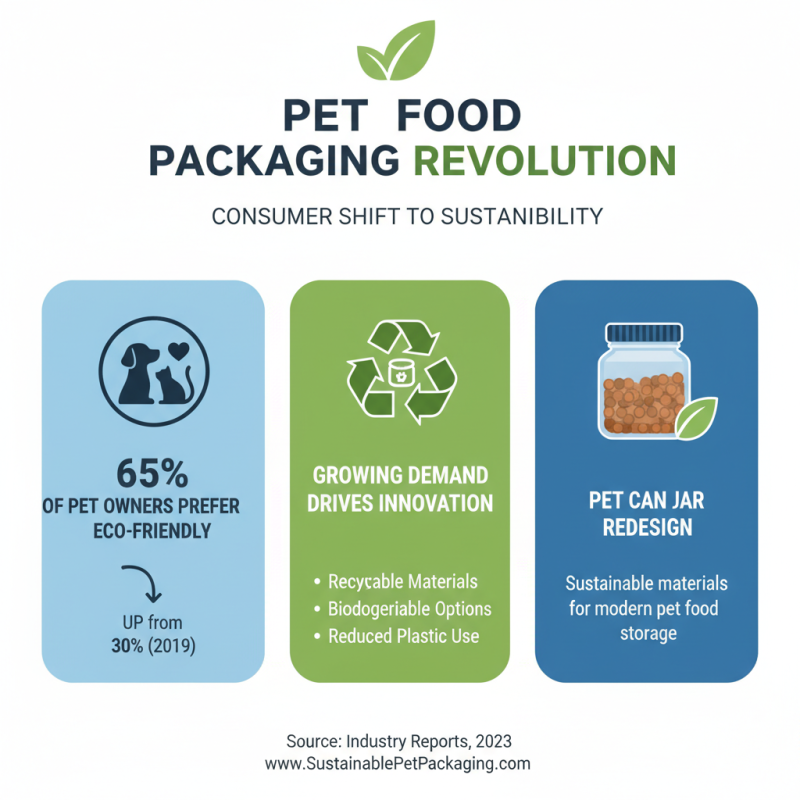
Consumer preferences are shifting dramatically towards sustainable packaging. This trend is notably evident in the pet food industry. Recent reports indicate that 65% of pet owners prefer eco-friendly packaging options. This growing demand for sustainability is influencing the design of Pet Can Jars significantly.

Environmental concerns drive these preferences. Many consumers are now considering the life cycle of packaging. A study found that 70% of consumers will pay more for products with recyclable or biodegradable packaging. Moreover, 45% of respondents indicated they actively seek brands that prioritize sustainability. This shift in mindset is pressuring manufacturers to adapt. They're exploring materials like plant-based plastics for Pet Can Jars.

Despite these encouraging trends, challenges remain. Not all eco-friendly materials offer the same durability or cost-effectiveness as traditional options. There is also consumer confusion regarding labeling. Many shoppers struggle to understand which products are genuinely sustainable. This discrepancy raises the need for clearer communication about packaging choices. Balancing sustainability and practicality will be vital for the future of Pet Can Jars.

Regulatory Impacts on Eco-Friendly Packaging for Pet Jars

Recent regulatory trends are reshaping eco-friendly packaging for Pet Jar Bottles and plastic containers. Governments worldwide are increasingly focused on sustainability. The EU's Single-Use Plastics Directive aims to drastically reduce plastic waste by 2025. This directive has significant implications for packaging materials, especially in the pet industry, driving innovation in bio-based plastic alternatives.

Research shows that over 50% of consumers prefer products with eco-friendly packaging. Brands need to align with this trend to meet consumer expectations. However, the transition to sustainable materials often comes with challenges. Many pet jar producers face higher production costs and technical limitations. According to industry reports, nearly 30% of companies struggle to find suitable biodegradable options that meet current safety standards.

Plastic waste remains a pressing issue. While many companies are moving to renewable resources, not all options are efficient. Some biodegradable plastics do not decompose effectively in landfills. Without clear guidelines, businesses may face confusion about compliance. As regulations evolve, ongoing dialogue within the industry is crucial to ensure that innovations in Pet Jar Bottle Plastic Containers genuinely contribute to sustainability. Focusing on transparency and continuous improvement will be key to addressing these challenges.

Future Outlook: Challenges and Opportunities in Eco-Conscious Pet Jars

The pet packaging industry faces significant challenges in adopting eco-friendly solutions. According to a recent report, 75% of consumers prefer products with sustainable packaging. Yet, the transition is not easy. Many manufacturers still rely on traditional materials that harm the environment.

In terms of opportunities, the rise in demand for eco-conscious pet jars has propelled innovation. Clear Jars made from biodegradable materials are gaining traction. These jars not only reduce waste but also appeal to the eco-conscious shopper. However, sourcing these sustainable materials often leads to higher production costs, prompting reflection on pricing strategies.

Market trends indicate a shift toward recyclable and reusable packaging. Still, companies must balance sustainability with usability. Some designs lack functionality and can frustrate users. The path to an eco-conscious future is riddled with obstacles, yet the potential rewards are substantial. Clear jars could lead the charge in transforming the pet packaging landscape.

Innovative PET Beverage Cans with Aluminum Lids: A Sustainable Solution for Modern Consumers

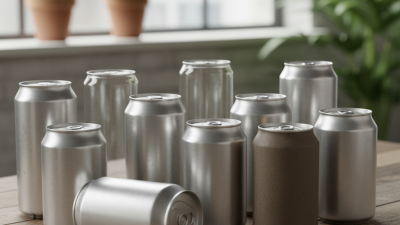
Innovative PET beverage cans equipped with aluminum lids present a sustainable solution that meets the demands of modern consumers. As the beverage industry increasingly shifts toward eco-friendliness, these cans made from PET (polyethylene terephthalate) offer a lightweight and recyclable alternative to traditional aluminum cans. According to a recent industry report, the global PET packaging market is anticipated to reach a value of USD 90 billion by 2026, growing considerably due to the increasing popularity of lightweight packaging and environmental sustainability. This shift reflects consumers' growing preference for products that align with their values regarding sustainability.

The superior transparency of PET cans enhances the visual appeal of various beverages, be it carbonated drinks, fruit juices, iced coffee, or energy drinks. Furthermore, these cans are available in a range of sizes from 150ml to 1000ml, allowing brands to cater to diverse market segments and consumer preferences. The fact that custom designs are accepted also provides businesses the added advantage of differentiation in a crowded marketplace. Recent studies indicate that consumers are more likely to engage with brands that demonstrate commitment to sustainability while offering innovative packaging solutions, thereby driving sales and brand loyalty.

Delivery times of 15-20 days and the availability of free samples upon request make these PET cans an efficient choice for beverage manufacturers looking to innovate without compromising on quality or sustainability. As the industry evolves, the integration of aluminum lids not only enhances the usability of PET cans but also further promotes recycling initiatives, reinforcing a circular economy in the beverage sector.

FAQS

: What is the main goal of this service?

: The main goal is to provide users with valuable information or assistance.

How can I access the service?

You can usually access the service via a website or an application.

Is there a fee for using this service?

Some services may require a fee, while others are free.

Can I get support if I have issues?

Yes, support is typically available through customer service.

What should I do if I don't find what I need?

You might need to refine your search terms or ask for help.

Are there any limitations on the information provided?

Yes, there might be limits on specific topics or details available.

How frequently is the information updated?

Updates usually happen regularly, but this can vary widely.

Can I provide feedback on the service?

Yes, most platforms welcome feedback for improvement.

What if I notice something incorrect?

It's important to report inaccuracies as they can mislead others.

Is my privacy protected when using the service?

Generally, privacy is a priority, but always check policies.

Conclusion

The article "2026 Top Pet Jar Trends for Eco Friendly Packaging" provides a comprehensive overview of the evolving Pet Jar industry, highlighting the growing demand for eco-friendly standards in packaging. Key materials driving innovation include recyclable plastics and plant-based alternatives, leading to the rise of biodegradable and compostable Pet Jar options. Design trends emphasize sustainable aesthetics and functionality, catering to consumer preferences that increasingly favor environmentally conscious products.

In addition, regulatory impacts play a crucial role in shaping the landscape for eco-friendly Pet Jars, pushing manufacturers towards greener practices. The future outlook discusses both challenges and opportunities in developing eco-conscious Pet Jars, suggesting a strong market potential for sustainable packaging solutions as consumers become more aware of environmental issues and regulations tighten. Overall, the Pet Jar industry is poised for a significant transformation towards sustainability in the coming years.

Ethan

Ethan

Ethan is a dedicated marketing professional with a deep understanding of packaging solutions and a relentless commitment to innovation. With a keen eye for market trends, he plays a crucial role in ensuring that his company stays at the forefront of the competitive landscape. Ethan is passionate......
Previous Top 5 OEM High Quality Pet Can Sealer Manufacturers You Should Know?